
Visit Us @International Youth Club
Introduction
Kerala culture and lifestyle represents one of the most balanced cultural identities in India. It combines spirituality, food traditions, Ayurveda healing, festivals, and backwater living in a natural and harmonious way. Unlike many destinations where culture is performed for visitors, in Kerala it is lived every day.
From coastal villages to hill towns, daily life reflects deep-rooted customs and modern development working together. This cultural depth makes Kerala one of the most unique regions in South Asia. The influence of centuries-old traditions can still be seen in architecture, food habits, clothing styles, and social values that continue to shape everyday life. According to insights shared by the Government of India tourism portal https://www.incredibleindia.gov.in/, Kerala is one of the most culturally rich and preserved regions in the country.
Traditional Arts and Cultural Expression
Kerala is widely known for its artistic traditions. Classical art forms like Kathakali, Mohiniyattam, and Theyyam represent storytelling, devotion, and cultural history.
Kathakali is a highly stylized dance-drama that uses expressive facial movements and detailed costumes to narrate stories from ancient epics. Theyyam is a ritual performance mainly seen in North Kerala where performers are believed to embody divine spirits during the act. Mohiniyattam reflects graceful movements and emotional expression rooted in classical dance tradition.
These art forms are not limited to performance stages but are deeply connected to temple rituals, festivals, and community celebrations. They remain an important part of Kerala culture and lifestyle and continue to be passed down through generations, preserving India’s intangible heritage as also recognized by cultural studies documented on https://ich.unesco.org/.
Food Culture and Everyday Eating Habits
Food plays a central role in Kerala culture and lifestyle. The cuisine is based on rice, coconut, spices, and seafood, creating a distinct regional identity.
Traditional dishes include Kerala Sadya, Appam with stew, Puttu with kadala curry, and Malabar-style biryani. Kerala Sadya, a traditional feast served on banana leaves, consists of multiple vegetarian dishes that highlight balance, flavor, and cultural tradition.
According to BBC Good Food https://www.bbcgoodfood.com/, Kerala cuisine is globally known for its spice-rich yet balanced cooking style. In coastal regions, seafood is a major part of daily meals, while inland areas focus more on vegetarian preparations.
Food in Kerala is not only about taste but also about social connection. Meals are often shared during festivals, family gatherings, and community events, reflecting strong cultural bonding and hospitality traditions.
Backwater Life and Rural Connection
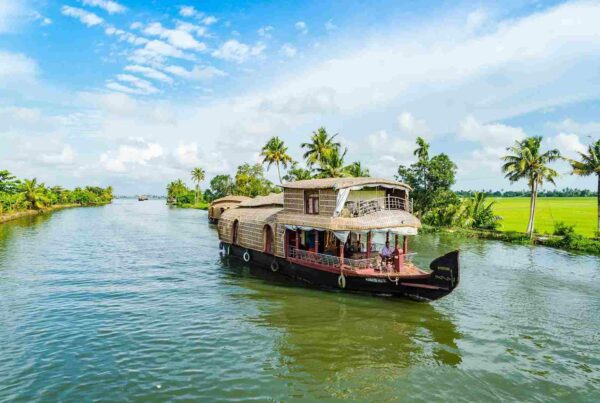
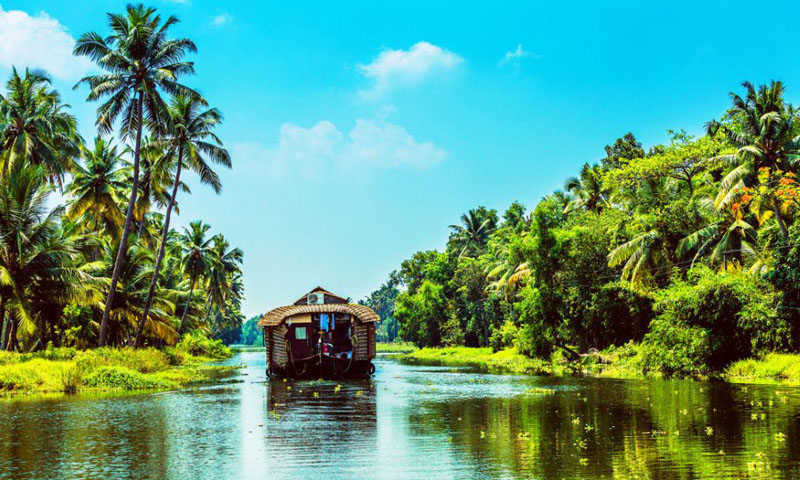
The backwaters form an essential part of Kerala culture and lifestyle. This interconnected system of lakes, rivers, and canals supports daily life in many regions.
Communities living along the backwaters depend on boats for transportation and fishing for livelihood. Houseboats, originally used for carrying goods, are now part of cultural identity and reflect traditional craftsmanship and sustainable living practices.
This lifestyle highlights a strong connection between humans and nature. It also demonstrates how communities have adapted to water-based geography while preserving cultural traditions and ecological balance. Kerala Tourism https://www.keralatourism.org/ highlights the backwaters as one of the most important living cultural ecosystems in the state.
Ayurveda and Natural Healing Practices
Ayurveda is a major pillar of Kerala culture and lifestyle. It is one of the oldest holistic healing systems in the world and continues to be widely practiced in the state.
Kerala is known for therapies such as Panchakarma, herbal treatments, and rejuvenation programs. These treatments focus on balancing the body, mind, and environment through natural methods.
Wellness institutions in Kerala preserve ancient knowledge while integrating modern approaches to health and wellness. Ayurveda is also widely referenced in global health discussions, including research supported by institutions such as the National Institutes of Health https://www.nih.gov/, which recognizes traditional medicine systems as part of global healthcare heritage.
Festivals and Community Celebrations
Festivals are an important expression of Kerala culture and lifestyle. They bring communities together and reflect shared traditions and values.
Major festivals include Onam, Vishu, and Thrissur Pooram. Onam is the most widely celebrated festival, marked by floral decorations, traditional games, cultural performances, and grand feasts.
Thrissur Pooram is known for its temple processions, percussion performances, and fireworks. Vishu marks the beginning of the traditional new year with rituals that symbolize prosperity and hope.
According to National Geographic Travel https://www.nationalgeographic.com/travel/, Kerala’s festivals are among the most visually impressive cultural celebrations in Asia due to their scale, color, and community participation.
Modern Development and Urban Growth
Modern Kerala reflects high literacy rates, strong healthcare systems, and advanced social development. Cities such as Kochi and Thiruvananthapuram are emerging as IT and business hubs while maintaining cultural traditions.
Education and awareness are key strengths of the state, contributing to its high human development index. Despite modernization, traditional values, language, and cultural practices remain deeply respected in society.
This balance between modern progress and cultural preservation is a defining feature of Kerala culture and lifestyle, making it both progressive and deeply traditional at the same time.
Conclusion
Kerala culture and lifestyle represents a rare combination of tradition, nature, wellness, and modern growth. From its artistic heritage and food culture to Ayurveda and backwater living, Kerala offers a deeply immersive cultural experience.
It is a place where tradition is not preserved artificially but lived naturally in everyday life, making it one of the most culturally rich and meaningful regions in India.