
Explore Best Meghalaya Packages
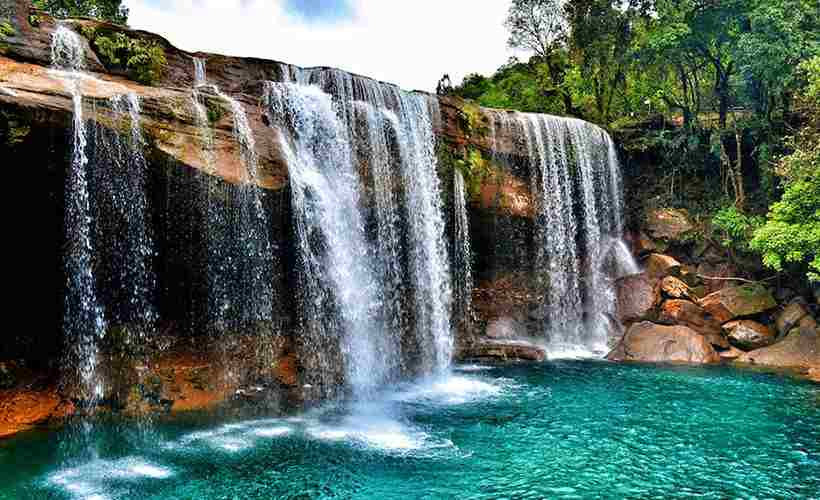
A Meghalaya monsoon trip is one of the most beautiful ways to experience Northeast India. During the rainy season, Meghalaya transforms into a spectacular landscape of green mountains, powerful waterfalls, mist-covered valleys, dense forests and flowing rivers.
Known as the Abode of Clouds, Meghalaya is already famous for its natural beauty, but the monsoon gives the state a completely different character. Waterfalls become more dramatic, forests become intensely green and the hills are often covered in clouds and mist.
If you are planning a Meghalaya trip in August, September or during the monsoon season, you may be wondering whether it is a good time to visit, what places you can explore, what the weather is like, whether travelling is safe and how many days you need.
This complete Meghalaya Monsoon Trip 2026 guide covers everything you need to know, including the best places to visit, travel tips, a sample itinerary, things to pack and how you can plan your Meghalaya tour package.
Is Meghalaya Good to Visit During Monsoon?
Yes, Meghalaya can be an incredible destination during the monsoon, especially if you love waterfalls, forests, clouds and dramatic mountain landscapes.
The rainy season is one of the reasons Meghalaya has become so famous among nature lovers and photographers. The rainfall brings the landscapes to life, creating flowing streams, green valleys and spectacular waterfalls.
However, monsoon travel is different from travelling during a dry season.
Heavy rainfall can affect road conditions, trekking routes and sightseeing plans. Travellers should therefore keep their itinerary flexible and check local weather and travel advisories before starting each journey.
The Meghalaya Tourism website also recommends travellers prepare for rain with waterproof bags, rain jackets, umbrellas, anti-slip shoes and quick-drying clothes, while checking weather forecasts for heavy rain and landslide warnings.
So, if your idea of a holiday includes lush greenery, waterfalls, misty mountains and adventure, Meghalaya during monsoon can be an excellent choice.
Why Visit Meghalaya During Monsoon 2026?
The biggest attraction of a monsoon Meghalaya trip is the landscape.
During the rainy season, many waterfalls become much more impressive, while the hills and forests take on deep shades of green.
Here are some reasons to consider Meghalaya during monsoon:
- Spectacular waterfalls
- Lush green mountains
- Mist-covered valleys
- Beautiful forest trails
- Scenic road journeys
- Crystal-clear rivers in suitable conditions
- Unique living root bridges
- Peaceful village landscapes
- Excellent photography opportunities
- A completely different experience from conventional hill stations
For travellers who enjoy nature rather than crowded city attractions, monsoon can be a particularly memorable time to explore Meghalaya.
Best Places to Visit in Meghalaya During Monsoon
A well-planned Meghalaya itinerary can combine Shillong, Cherrapunji, Dawki, Mawlynnong and adventure destinations around Nongriat.
Shillong
Shillong is usually the starting point for many Meghalaya trips.
The capital city is surrounded by green hills and offers a combination of nature, culture and urban experiences.
Some popular attractions around Shillong include:
- Umiam Lake
- Ward’s Lake
- Lady Hydari Park
- Don Bosco Museum
- Shillong Peak
- Elephant Falls
- Laitlum Canyons
Umiam Lake is particularly scenic during a road journey, while Laitlum Canyons offers spectacular views across the surrounding valleys.
A stay in Shillong at the beginning or end of your Meghalaya trip also makes it convenient to connect with Guwahati.
Cherrapunji
Cherrapunji, also known as Sohra, is one of the biggest highlights of a Meghalaya monsoon trip.
The region is famous for waterfalls, caves, valleys and lush green landscapes.
Popular attractions include:
- Nohkalikai Falls
- Seven Sisters Falls
- Mawsmai Caves
- Mawkdok Valley
- Garden of Caves
- Wei Sawdong Falls
- Living Root Bridges
During the rainy season, the waterfalls and surrounding landscapes can be especially dramatic.
If waterfalls are one of your main reasons for visiting Meghalaya, Cherrapunji deserves a major place in your itinerary.
Nohkalikai Falls
Nohkalikai Falls is one of Meghalaya’s most famous natural attractions.
The waterfall drops dramatically from a high cliff into a pool below, surrounded by green hills.
The surrounding landscape becomes particularly atmospheric when clouds and mist cover the hills.
Weather conditions can affect visibility, so don’t be disappointed if the viewpoint is cloudy during your visit. The changing weather is part of the Meghalaya experience.
Dawki and the Umngot River
Dawki is famous for the Umngot River, which is known for its exceptionally clear water during suitable conditions.
The destination is also close to Shnongpdeng and Mawlynnong, making it an important part of many Meghalaya itineraries.
However, monsoon conditions can change river visibility and affect outdoor activities.
Travellers should not expect the river to look identical throughout the year.
Before visiting Dawki, always check current weather and local travel conditions.
There was also a Meghalaya government advisory in June 2026 recommending an alternative route via Shillong–Jowai–Amlarem–Dawki for safety reasons. Current route conditions should therefore be checked before travelling.
Mawlynnong
Mawlynnong is another popular stop on Meghalaya itineraries.
The village is surrounded by greenery and offers travellers a quieter experience away from larger tourist centres.
It can be combined with Dawki as part of a road journey through the region.
During monsoon, the surrounding vegetation becomes particularly lush, making the journey itself part of the experience.
Nongriat and the Double Decker Living Root Bridge
For adventure lovers, Nongriat is one of the most memorable experiences in Meghalaya.
The destination is famous for the Double Decker Living Root Bridge, an extraordinary structure formed using the living roots of trees.
Reaching the bridge requires a challenging trek involving many steps.
During monsoon, the trail can become wet and slippery, so proper footwear and caution are extremely important.
Travellers should also consider their fitness level before including the trek in their itinerary.
The experience is demanding, but the forests, streams and natural surroundings make it one of the most unique adventures Meghalaya has to offer.
Meghalaya Monsoon Weather
Meghalaya is known for heavy rainfall, and monsoon conditions can change quickly.
You may experience:
- Heavy rain
- Cloudy skies
- Mist
- Wet roads
- Slippery trekking trails
- Temporary changes in sightseeing plans
The weather can also change within a few hours.
A sunny morning does not necessarily mean the entire day will remain clear.
This is why a flexible Meghalaya itinerary is more practical during monsoon than a tightly scheduled plan with no buffer time.
Instead of trying to cover every attraction, allow enough time for unexpected weather changes.
Is Meghalaya Safe During Monsoon?
A Meghalaya monsoon trip can be enjoyable, but travellers should take weather conditions seriously.
Heavy rainfall can sometimes result in slippery roads, landslides or changes to local travel routes.
Before travelling:
- Check the weather forecast
- Follow local government advisories
- Ask your driver or local travel operator about road conditions
- Avoid unnecessary travel during severe weather
- Wear proper footwear
- Carry rain protection
- Keep some flexibility in your itinerary
- Avoid trekking during unsafe weather
- Follow instructions from local authorities
The Meghalaya Tourism website specifically advises visitors to monitor weather forecasts and pay attention to heavy-rain and landslide warnings.
A professional travel company can also help you adjust the itinerary when local conditions change.
What to Pack for a Meghalaya Monsoon Trip
Packing correctly can make a huge difference to your experience.
Essential items include:
Rain jacket:
Carry a proper waterproof jacket rather than relying only on an umbrella.
Waterproof bag:
Keep your phone, camera, documents and other electronics protected.
Anti-slip footwear:
This is particularly important if your itinerary includes trekking or waterfalls.
Quick-drying clothes:
Avoid carrying only heavy cotton clothes that take a long time to dry.
Extra socks:
Wet feet can quickly make a comfortable trip uncomfortable.
Power bank:
Useful during long road journeys and outdoor activities.
Small first-aid kit:
Keep basic travel essentials with you.
Mosquito and insect repellent:
Useful when spending time outdoors.
Water bottle:
Stay hydrated throughout the journey.
Meghalaya Monsoon Trip Itinerary
If you are planning a 6 to 7-day Meghalaya tour, you can cover several major destinations without making the itinerary unnecessarily hectic.
Day 1 – Guwahati to Shillong
Begin your journey from Guwahati and travel towards Shillong.
Stop at Umiam Lake along the way and enjoy the scenic mountain landscape.
Reach Shillong and check into your hotel.
Overnight: Shillong
Day 2 – Shillong Sightseeing
Explore some of Shillong’s major attractions.
Depending on weather conditions, you can visit:
- Ward’s Lake
- Don Bosco Museum
- Lady Hydari Park
- Elephant Falls
- Laitlum Canyons
Return to Shillong for an overnight stay.
Overnight: Shillong
Day 3 – Shillong to Cherrapunji
Travel towards Cherrapunji.
Visit attractions such as:
- Elephant Falls
- Mawkdok Valley
- Nohkalikai Falls
- Mawsmai Caves
- Seven Sisters Falls
The exact sightseeing sequence should be adjusted according to weather and local conditions.
Overnight: Cherrapunji
Day 4 – Cherrapunji and Nongriat
Spend the day exploring the Cherrapunji region.
Adventure travellers can consider the trek to the Double Decker Living Root Bridge, depending on weather and trail conditions.
If heavy rain makes trekking unsuitable, choose alternative sightseeing instead.
Overnight: Cherrapunji
Day 5 – Cherrapunji to Dawki via Mawlynnong
Travel towards Dawki and explore Mawlynnong on the way.
Continue towards Dawki and explore the area around the Umngot River, subject to local weather and river conditions.
Overnight: Dawki/Shnongpdeng
Day 6 – Dawki to Shillong
Enjoy the morning around Dawki before beginning the return journey.
Depending on current road conditions and your itinerary, you may include attractions around Jowai and Krang Suri.
Overnight: Shillong
Day 7 – Shillong to Guwahati
After breakfast, begin your return journey to Guwahati.
This itinerary is only a sample. A practical monsoon itinerary should always be adjusted according to weather, road conditions and local advisories.
Meghalaya Monsoon Trip Cost
The cost of a Meghalaya trip depends on several factors.
Your total budget may change according to:
- Number of travellers
- Number of days
- Hotel category
- Vehicle type
- Travel dates
- Private or group travel
- Activities
- Meal plan
- Camping
- Trekking requirements
Instead of selecting a package only because it has the lowest price, compare the complete inclusions.
A package that includes transportation, accommodation, sightseeing and other services may provide better overall value than a cheaper package with multiple additional costs.
If you are travelling from Delhi, an organised Meghalaya tour package from Delhi can also simplify the process of arranging transfers and local transportation.
Meghalaya Tour Package for Monsoon 2026
Planning Meghalaya during monsoon becomes easier when your transportation, accommodation and sightseeing are organised in advance.
At International Youth Club, travellers can explore Meghalaya tour options designed around destinations such as Shillong, Cherrapunji, Dawki, Mawlynnong and Nongriat.
Whether you are travelling as a:
- Couple
- Family
- Group of friends
- Backpacker
- Corporate or private group
your Meghalaya itinerary can be planned according to your travel duration and preferred experiences.
Planning a Meghalaya Monsoon Trip?
If you are planning your Meghalaya trip for August, September or another monsoon travel period, don’t wait until the last moment.
Fill out the enquiry form on this page and share:
- Travel dates
- Number of travellers
- Number of days
- Preferred accommodation
- Places you want to visit
- Whether you want trekking or adventure activities
The team can help you explore a suitable Meghalaya tour package based on your requirements.
Meghalaya Monsoon Travel Tips
Here are some final tips that can make your trip easier:
Keep Your Itinerary Flexible
Don’t schedule every hour of your trip. Weather can change quickly during monsoon.
Start Early
Starting sightseeing early can give you more flexibility if weather conditions change later in the day.
Protect Your Electronics
Keep phones, cameras and chargers inside waterproof bags.
Wear the Right Shoes
Good grip is essential for wet roads, waterfalls and trekking trails.
Check Local Conditions
Don’t rely only on information from old travel blogs. Check current weather and local advisories before travelling.
Don’t Take Unnecessary Risks
A waterfall or viewpoint is never worth risking your safety. If local authorities or your travel team advise against visiting a location because of weather conditions, follow the advice.
Frequently Asked Questions About Meghalaya Monsoon Trips
Is August a good time to visit Meghalaya?
August can be an attractive time for travellers who want to experience Meghalaya’s rainy-season landscapes, waterfalls and greenery. However, heavy rainfall can affect roads, trekking and sightseeing, so flexibility is important.
Is Meghalaya safe during monsoon?
Meghalaya can be travelled during monsoon, but heavy rain can create challenging road and trail conditions. Check weather forecasts and local advisories before travelling.
Which is better for a monsoon trip, Shillong or Cherrapunji?
Both offer different experiences. Shillong is ideal for city attractions, viewpoints and a comfortable base, while Cherrapunji is particularly attractive for waterfalls, caves and dramatic landscapes.
Can I visit Dawki during monsoon?
Dawki can be included in a monsoon itinerary, but weather, road and river conditions should be checked before travelling. Local route advisories should always be followed.
Can I trek to the Double Decker Root Bridge during monsoon?
The trek can be challenging during rainy conditions because the trail may become wet and slippery. Check current trail conditions and local guidance before starting.
How many days are enough for Meghalaya?
A 5 to 7-day trip can cover major destinations such as Shillong, Cherrapunji, Dawki and Mawlynnong. Travellers who want additional trekking or offbeat destinations may prefer a longer trip.
What should I carry for a Meghalaya monsoon trip?
A waterproof jacket, waterproof bag, anti-slip footwear, quick-drying clothes, extra socks, insect repellent, basic medicines and a power bank are useful items to carry.
Final Thoughts
A Meghalaya monsoon trip in 2026 can be an unforgettable experience for travellers who love rain, waterfalls, forests and dramatic mountain landscapes.
From Shillong’s peaceful hills to the waterfalls of Cherrapunji, the living root bridges of Nongriat and the landscapes around Dawki, Meghalaya offers experiences that are difficult to find anywhere else in India.
However, monsoon travel requires a different approach. Instead of following a rigid itinerary, travellers should allow flexibility and keep an eye on weather and local travel advisories.
If you are ready to experience Meghalaya during its greenest and most dramatic season, start planning your journey today.
Fill out the enquiry form and let International Youth Club help you plan your Meghalaya monsoon adventure.