
Kerala is often called “God’s Own Country”, and for good reason. Blessed with serene backwaters, lush tea plantations, misty hill stations, pristine beaches, and rich wildlife, Kerala is one of India’s most captivating travel destinations. But beyond its natural beauty lies something even more extraordinary in our Kerala tour package. Rooted in centuries of history, shaped by diverse communities, and celebrated through colorful festivals, traditional art forms, delicious cuisine, and warm hospitality, Kerala’s culture offers an experience unlike any other.
Whether you’re exploring the colonial streets of Kochi, cruising through the tranquil backwaters of Alleppey, trekking the tea-covered hills of Munnar, or witnessing a mesmerizing Kathakali performance, every corner of Kerala reflects its unique heritage. The state’s traditions are not just preserved in museums—they are alive in everyday life, making every visit an immersive cultural journey.
Kerala has long been a crossroads of civilizations. Ancient spice traders from Arabia, Europe, and Asia visited its ports centuries ago, bringing new influences while respecting local customs. This blend of indigenous traditions and global connections has created a culture that is both deeply rooted and remarkably inclusive. Temples, churches, mosques, synagogues, and colonial architecture coexist harmoniously, symbolizing Kerala’s spirit of unity and acceptance.
For travelers, understanding Kerala’s culture transforms a simple holiday into a meaningful experience. Instead of merely visiting attractions, you begin to appreciate the stories behind them—the significance of a temple festival, the craftsmanship behind a Kathakali costume, the flavors of a traditional Sadya, or the healing philosophy of Ayurveda.
In this comprehensive guide, we’ll explore Kerala’s traditions, festivals, food, dance, architecture, lifestyle, and much more. If you’re planning your next holiday, this guide will help you discover why Kerala remains one of India’s most beloved destinations.
The Rich History Behind Kerala Culture
Kerala’s cultural heritage dates back thousands of years. Historical records suggest that this region has been an important center of trade since ancient times. The famous Malabar Coast attracted merchants from Rome, Arabia, China, and later Portugal, the Netherlands, and Britain, primarily because of Kerala’s valuable spices such as black pepper, cardamom, cinnamon, and cloves.
Despite welcoming people from around the world, Kerala managed to preserve its own traditions while embracing cultural diversity. This exchange of ideas gave rise to a society known for education, tolerance, and artistic excellence.
Religion also played an important role in shaping Kerala’s identity. Hinduism remains the dominant religion, but Christianity and Islam have existed in Kerala for centuries. In fact, Kerala is home to some of the oldest churches and mosques in India. Jewish communities also settled here, leaving behind a fascinating legacy that can still be explored in Fort Kochi.
This multicultural environment has contributed to Kerala’s reputation as one of India’s most peaceful and progressive states.
Why Our Kerala Tour Package is Unique
Every Indian state has its own traditions, but Kerala stands apart because of its perfect balance between heritage and modernity.
Unlike many destinations where cultural practices are limited to festivals, Kerala’s traditions are woven into everyday life. From the architecture of homes to the food served on banana leaves, from classical dance performances to village celebrations, culture is present in every aspect of daily living.
Some of the factors that make Kerala culture unique include:
- A harmonious blend of multiple religions and communities.
- Preservation of ancient performing arts.
- Authentic Ayurvedic healing traditions.
- Rich culinary heritage based on fresh local ingredients.
- Strong connection with nature and sustainable living.
- High literacy and respect for education.
- Exceptional hospitality toward visitors.
The people of Kerala are known for their simplicity, kindness, and welcoming nature. Whether you’re staying in a luxury resort or a traditional homestay, you’ll often be treated like family.
Traditional Lifestyle in Kerala
Life in Kerala moves at a peaceful pace compared to many metropolitan cities. While urban centers like Kochi and Thiruvananthapuram are modern and vibrant, rural Kerala continues to preserve age-old customs and traditions.
A typical day in a Kerala village begins with the sound of temple bells, church prayers, or the call to prayer from a nearby mosque. Coconut trees sway gently in the breeze, fishermen head toward the backwaters, and farmers begin working in paddy fields and spice plantations.
Many families still follow traditional customs passed down through generations. Respect for elders, community gatherings, and family celebrations remain an important part of life.
Kerala is also known for its cleanliness and environmental awareness. The state’s commitment to preserving its natural beauty is reflected in its villages, forests, and waterways.
Visitors often appreciate the relaxed lifestyle that encourages people to slow down and enjoy life’s simple pleasures.
Traditional Dress of Kerala
The traditional attire of Kerala reflects elegance, simplicity, and comfort.
Traditional Clothing for Men
Men traditionally wear the Mundu, a white cotton garment wrapped around the waist. During weddings and festivals, the Mundu is often decorated with a golden border known as Kasavu.
It is commonly paired with a white shirt or kurta, creating a sophisticated yet minimalistic look.
Even today, many men wear the Mundu during religious ceremonies, family functions, and important celebrations.
Traditional Clothing for Women
The iconic Kasavu Saree is one of Kerala’s most recognizable cultural symbols.
Made from cream-colored fabric with a beautiful golden border, this saree is worn during festivals such as Onam, weddings, and temple celebrations.
The elegance of the Kasavu Saree has inspired fashion designers worldwide while remaining deeply rooted in Kerala’s traditions.
Young women also wear the Settu Mundu, another traditional outfit that reflects the state’s timeless cultural identity.
Languages Spoken in Kerala
The official language of Kerala is Malayalam, one of the oldest and most beautiful languages in India.
Malayalam literature has a rich history spanning several centuries and has produced numerous award-winning writers and poets.
While Malayalam is spoken across the state, English is widely understood in tourist destinations, hotels, restaurants, and shopping areas. Hindi is also spoken in many cities due to increasing tourism.
Learning a few Malayalam phrases such as “Namaskaram” (Hello) or “Nanni” (Thank You) can make your interactions with locals even more enjoyable.
Religion and Cultural Harmony
One of Kerala’s greatest strengths is its religious diversity.
The state is home to Hindus, Muslims, Christians, Jains, Buddhists, and Jewish communities who have lived together peacefully for centuries.
As you travel through Kerala, you’ll notice magnificent temples, centuries-old churches, beautiful mosques, and historic synagogues existing within short distances of one another.
This coexistence has shaped Kerala into one of India’s most culturally inclusive destinations.
Many festivals are celebrated by people from different communities, reflecting the state’s spirit of unity and mutual respect.
Planning to Experience Kerala Culture?
If reading about Kerala’s traditions has inspired you, imagine experiencing them in person. From watching a live Kathakali performance and enjoying an authentic Kerala Sadya to cruising through the backwaters of Alleppey and exploring the tea gardens of Munnar, every moment offers a glimpse into the soul of God’s Own Country.
Kerala Festivals: The Heartbeat of Kerala Culture
Festivals are the soul of Kerala’s cultural identity. They are celebrated with incredible enthusiasm, bringing together families, communities, and visitors from around the world.
Unlike many destinations where festivals are simply events, Kerala’s celebrations are deeply rooted in mythology, agriculture, spirituality, and local traditions. Music, dance, delicious food, floral decorations, temple rituals, and community gatherings make every festival a memorable experience.
The most famous festivals include Onam, Vishu, Thrissur Pooram, Theyyam festivals, and numerous temple celebrations that showcase Kerala’s rich heritage.
Each festival offers travelers an opportunity to witness authentic traditions that have been preserved for centuries.
Onam: Kerala’s Grand Harvest Festival
When people think of Kerala culture, the first festival that comes to mind is Onam. Celebrated with unmatched enthusiasm across the state, Onam is much more than a festival—it’s a celebration of Kerala’s history, traditions, unity, and prosperity. Regardless of religion or community, people come together to participate in this ten-day festival, making it one of the most inclusive celebrations in India.
According to legend, Onam marks the annual homecoming of the beloved King Mahabali, whose reign was known as the golden era of peace, equality, and happiness. It is believed that every year, King Mahabali visits Kerala to see his people, and the state welcomes him with grand celebrations.
During Onam, homes are beautifully decorated with Pookalam (floral rangoli), families wear traditional Kasavu attire, and communities organize cultural events, games, and feasts.
One of the biggest attractions during Onam is the Vallam Kali, or snake boat race. Long, beautifully decorated boats with dozens of synchronized rowers compete in thrilling races across Kerala’s backwaters. Thousands of tourists gather every year to witness this spectacular event.
The highlight of the festival is the famous Onam Sadya, a traditional vegetarian feast served on a banana leaf. A complete Sadya may include more than 25 dishes, including rice, sambar, avial, olan, thoran, pachadi, pickles, papad, and delicious Payasam for dessert.
If you’re planning to experience Kerala’s traditions at their finest, visiting during Onam is highly recommended.
Vishu: Welcoming Prosperity and New Beginnings
Another important festival that reflects the rich heritage of Kerala is Vishu, celebrated as the Malayalam New Year.
Vishu symbolizes hope, prosperity, and new beginnings. Families prepare a special arrangement known as Vishukkani, which includes rice, fruits, vegetables, coconut, flowers, gold ornaments, mirrors, holy scriptures, and traditional lamps.
According to tradition, the first sight a person sees on Vishu morning determines the fortune they will enjoy throughout the year. Family members are gently awakened before sunrise and guided to view the beautifully decorated Vishukkani.
Children eagerly wait for Vishu Kaineetam, a tradition where elders gift money as a blessing for prosperity and success.
The day is also marked by delicious family meals, temple visits, fireworks, and community celebrations.
Thrissur Pooram: Kerala’s Most Spectacular Temple Festival
If you want to witness Kerala’s grandeur, Thrissur Pooram should be on your travel list.
Held at the famous Vadakkunnathan Temple in Thrissur, this magnificent festival attracts thousands of visitors from India and abroad.
The celebration is famous for:
- Decorated elephants wearing golden ornaments
- Traditional Panchavadyam orchestra
- Powerful Chenda drum performances
- Colorful umbrella exchange ceremonies
- Massive fireworks displays
- Temple processions
The synchronized rhythm of hundreds of percussion artists creates an electrifying atmosphere that leaves visitors spellbound.
Thrissur Pooram is considered one of Asia’s largest temple festivals and showcases Kerala’s artistic excellence and spiritual traditions.
Theyyam: Where Art Meets Spirituality
Among Kerala’s oldest ritual performances, Theyyam holds a special place.
Found mainly in North Kerala, Theyyam is a sacred dance ritual in which performers transform themselves into local deities through elaborate costumes, towering headgear, and intricate face painting.
The preparation itself can take several hours, with every color and design carrying symbolic meaning.
Unlike stage performances, Theyyam is deeply spiritual. Local communities gather to seek blessings, guidance, and protection from the performer, who is believed to embody the deity during the ritual.
Witnessing Theyyam offers travelers a rare opportunity to experience a living tradition that has remained unchanged for centuries.
Kerala’s Classical Dance Forms
Kerala has made significant contributions to India’s performing arts. The state is home to several classical dance forms that combine storytelling, music, facial expressions, and graceful movements.
These performances are not merely entertainment—they preserve mythology, literature, and cultural values that have been passed down through generations.
Kathakali: Kerala’s Iconic Dance Drama
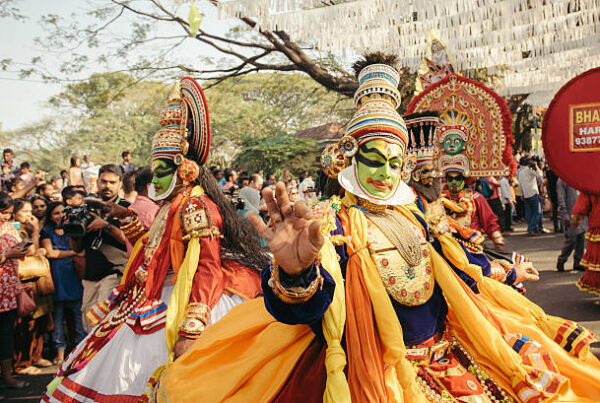
Perhaps no art form represents Kerala better than Kathakali.
Recognized worldwide, Kathakali is a classical dance-drama that tells stories from ancient Indian epics such as the Ramayana and Mahabharata.
One of the most fascinating aspects of Kathakali is its elaborate makeup. Different colors represent different personalities:
- Green symbolizes noble heroes.
- Red represents anger and aggression.
- Black often signifies evil.
- Yellow reflects spirituality.
Artists undergo years of rigorous training to master facial expressions, eye movements, body language, and hand gestures known as Mudras.
A Kathakali performance is accompanied by live musicians, vocalists, and traditional percussion instruments, making it a truly immersive cultural experience.
Many cultural centers in Kochi and Munnar organize evening Kathakali performances for visitors.
Mohiniyattam: The Dance of Grace
If Kathakali is known for its dramatic expressions, Mohiniyattam is celebrated for its elegance and femininity.
Performed mainly by women, this classical dance features gentle movements, graceful footwork, expressive storytelling, and flowing costumes.
The dance derives its name from “Mohini,” the enchanting female avatar of Lord Vishnu.
Artists wear beautiful white and gold costumes that perfectly complement Kerala’s traditional aesthetic.
Mohiniyattam performances often depict themes of love, devotion, and spirituality, making them deeply emotional and visually captivating.
Koodiyattam: The World’s Oldest Living Sanskrit Theatre
Recognized by UNESCO as an Intangible Cultural Heritage, Koodiyattam is one of the oldest surviving theatre traditions in the world.
This ancient art form has been performed inside Kerala temples for more than a thousand years.
Unlike modern theatre, Koodiyattam emphasizes detailed facial expressions and symbolic gestures. A single act may take several hours to complete, allowing performers to explore every emotional nuance of the story.
Watching a Koodiyattam performance provides insight into India’s classical theatrical traditions and Kerala’s remarkable artistic legacy.
Traditional Music of Kerala
Music plays an essential role in Kerala’s religious ceremonies, festivals, weddings, and cultural performances.
The state’s musical heritage combines classical traditions with folk rhythms, creating an energetic and spiritual atmosphere.
Some of the most famous traditional musical forms include:
Chenda Melam
The Chenda is Kerala’s most iconic percussion instrument.
Its powerful beats are heard during temple festivals, processions, and major celebrations.
A group performance known as Chenda Melam involves dozens of drummers performing synchronized rhythmic compositions that create an unforgettable experience.
Panchavadyam
Panchavadyam is a traditional orchestra consisting of five different musical instruments.
Performed mainly during temple festivals, Panchavadyam showcases extraordinary coordination among musicians and represents Kerala’s rich musical traditions.
Sopana Sangeetham
This devotional style of music originated in Kerala temples.
Performed near temple sanctums, Sopana Sangeetham focuses on spiritual devotion and melodic simplicity.
It remains an important part of Kerala’s religious heritage.
Kerala Cuisine: A Culinary Journey Through God’s Own Country
One of the most enjoyable ways to understand Kerala culture is through its food.
Kerala’s cuisine reflects the state’s geography, climate, agricultural traditions, and centuries of international trade. Fresh coconut, aromatic spices, rice, seafood, curry leaves, banana, tamarind, and locally grown vegetables form the foundation of traditional cooking.
Unlike many other Indian cuisines, Kerala food balances bold flavors with natural freshness.
Kerala Sadya
The crown jewel of Kerala cuisine is the Sadya, a grand vegetarian feast traditionally served during festivals, weddings, and special occasions.
Served on a fresh banana leaf, a complete Sadya can include over 25 dishes, each prepared with unique ingredients and cooking techniques.
Popular items include:
- Rice
- Sambar
- Rasam
- Avial
- Olan
- Kalan
- Thoran
- Pachadi
- Pickles
- Banana Chips
- Pappadam
- Payasam
Eating a Sadya is more than a meal—it’s a cultural experience that reflects Kerala’s hospitality and culinary traditions.
Appam and Stew
Soft, fluffy Appams paired with creamy vegetable or chicken stew are among Kerala’s most loved breakfast dishes.
The mild flavors make this combination popular among both Indian and international travelers.
Puttu and Kadala Curry
Prepared using steamed rice flour and coconut, Puttu is typically served with spicy black chickpea curry.
This nutritious breakfast remains a favorite in homes across Kerala.
Malabar Parotta
Flaky, layered, and incredibly soft, Malabar Parotta is often enjoyed with beef curry, chicken curry, or vegetable kurma.
Its unique texture makes it one of Kerala’s most famous street foods.
Seafood Delicacies
With a long coastline along the Arabian Sea, Kerala is famous for fresh seafood.
Popular dishes include:
- Kerala Fish Curry
- Prawn Roast
- Crab Masala
- Fish Fry
- Squid Roast
Prepared using freshly ground spices and coconut-based gravies, these dishes are a paradise for seafood lovers.
Ayurveda: Kerala’s Ancient Healing Tradition
When discussing Kerala culture, it is impossible to overlook Ayurveda, one of the world’s oldest systems of natural healing. Kerala has been practicing Ayurveda for more than 5,000 years, making it one of the best destinations in India for authentic wellness experiences.
Unlike modern treatments that often focus only on symptoms, Ayurveda aims to balance the body, mind, and soul through natural remedies, herbal medicines, massages, yoga, meditation, and healthy eating habits.
Many travelers from around the world visit Kerala specifically for Ayurvedic therapies that help relieve stress, improve immunity, detoxify the body, and promote overall well-being. The monsoon season, from June to September, is considered the ideal time for Ayurvedic treatments because the cool, humid climate allows the body to absorb herbal oils more effectively.
Popular Ayurvedic therapies include:
- Abhyanga (Full Body Oil Massage)
- Shirodhara (Warm Herbal Oil Therapy)
- Panchakarma Detox Treatment
- Herbal Steam Bath
- Stress Relief Therapies
- Rejuvenation Massage
Several wellness resorts in Munnar, Thekkady, Kumarakom, Kovalam, and Alleppey combine luxury accommodation with authentic Ayurvedic treatments, giving visitors a relaxing and culturally enriching experience.
Ayurveda is more than a wellness practice—it reflects Kerala’s philosophy of living in harmony with nature.
Kerala’s Traditional Architecture
Kerala’s architecture is one of the finest examples of how culture adapts to nature.
Due to heavy monsoon rainfall and tropical weather, traditional homes were designed with practical features that also reflected artistic beauty.
Common architectural elements include:
- Sloping tiled roofs to withstand heavy rains
- Wooden pillars and carved doors
- Large open courtyards (Nalukettu)
- Natural ventilation for cooler interiors
- Spacious verandas
- Intricate temple carvings
Traditional Kerala homes, known as Nalukettu, were built around a central open courtyard where families gathered for celebrations and daily activities.
Many of these heritage homes have now been converted into boutique stays, allowing travelers to experience Kerala’s architectural heritage firsthand.
Temple architecture in Kerala is equally impressive, featuring copper-covered roofs, detailed wooden carvings, stone sculptures, and beautifully landscaped temple ponds.
Houseboats and the Backwater Lifestyle
One of Kerala’s most iconic experiences is cruising through its peaceful backwaters aboard a traditional houseboat.
The interconnected network of lakes, canals, rivers, and lagoons stretches across several districts, especially Alleppey and Kumarakom. These waterways are not just tourist attractions—they are an integral part of everyday life for local communities.
A houseboat journey allows travelers to witness:
- Coconut-lined canals
- Local fishermen at work
- Village life
- Paddy fields below sea level
- Traditional homes
- Small temples and churches
- Children traveling by boat to school
Originally used to transport rice and spices, traditional Kettuvallams have been transformed into luxurious floating accommodations with modern comforts while retaining their cultural charm.
Watching the sunset over the backwaters while enjoying authentic Kerala cuisine is an unforgettable experience that perfectly captures the peaceful spirit of Kerala.
Kerala’s Spice Heritage
For centuries, Kerala has been known as the Land of Spices.
Ancient traders from Arabia, China, and Europe traveled thousands of kilometers to purchase Kerala’s world-famous spices, making the region one of the most important trading centers in history.
Today, spice plantations remain one of Kerala’s biggest attractions, especially around Munnar, Thekkady, and Wayanad.
Some of Kerala’s famous spices include:
- Black Pepper
- Cardamom
- Cinnamon
- Cloves
- Nutmeg
- Vanilla
- Ginger
- Turmeric
Visitors can walk through lush plantations, learn about spice cultivation, and purchase fresh organic spices directly from local farms.
These plantations provide valuable insight into the agricultural traditions that have shaped Kerala’s economy and culture for centuries.
Handicrafts and Souvenirs
Kerala’s artisans are known for preserving traditional craftsmanship through beautiful handmade products.
Popular souvenirs include:
- Kathakali masks
- Coir products
- Bamboo handicrafts
- Coconut shell artifacts
- Wooden carvings
- Brass lamps
- Traditional jewelry
- Handwoven Kasavu sarees
- Ayurvedic oils and herbal products
- Spice gift packs
Shopping at local handicraft centers not only supports artisans but also allows travelers to take home a piece of Kerala’s cultural heritage.
Best Places to Experience Kerala Culture
While every region of Kerala has its own charm, certain destinations offer particularly rich cultural experiences.
Kochi
Known as the cultural gateway of Kerala, Kochi showcases colonial architecture, Chinese fishing nets, Jewish heritage, art galleries, museums, and vibrant cultural performances.
Don’t miss a live Kathakali show or a walk through the historic streets of Fort Kochi.
Munnar
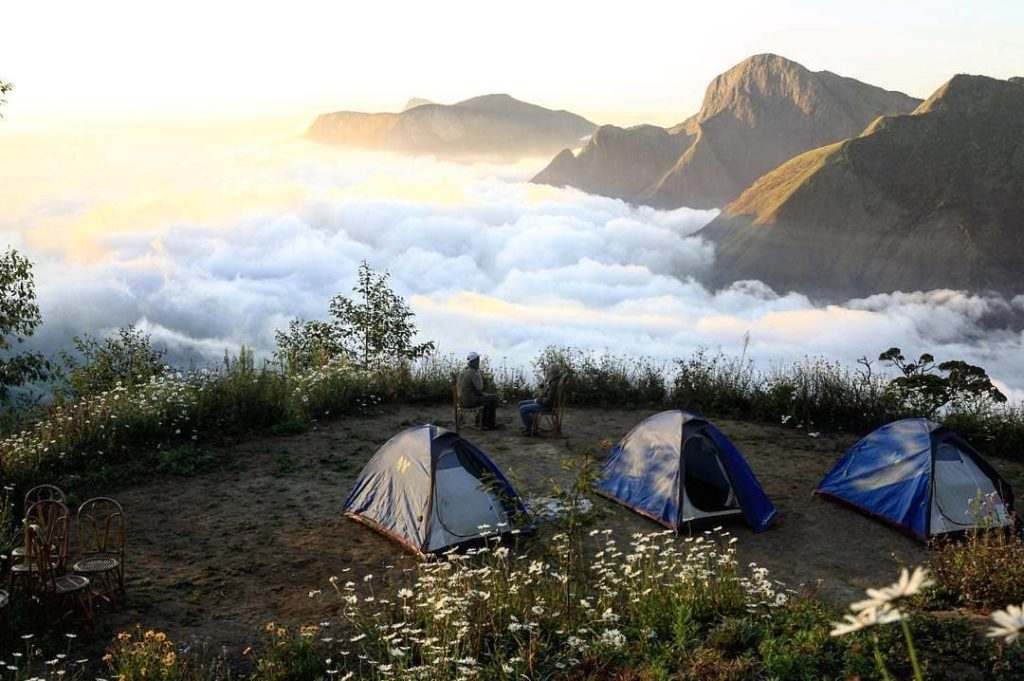
Famous for its endless tea plantations, Munnar also introduces visitors to Kerala’s plantation lifestyle, spice gardens, and local traditions.
The cool climate and scenic landscapes make it one of Kerala’s most visited destinations.
Alleppey
Alleppey is the heart of Kerala’s backwater culture.
Houseboat cruises, village experiences, and authentic local cuisine make it a must-visit destination for anyone wanting to experience Kerala’s peaceful lifestyle.
Thekkady
Home to Periyar Wildlife Sanctuary, Thekkady offers wildlife safaris, bamboo rafting, spice plantation tours, and cultural performances like Kathakali and Kalaripayattu.
Thrissur
Known as the cultural capital of Kerala, Thrissur is famous for temples, museums, classical art, and the spectacular Thrissur Pooram festival.
Wayanad
For travelers seeking tribal culture, waterfalls, caves, and nature, Wayanad provides a unique blend of adventure and heritage.
Best Time to Experience Kerala Culture
Kerala welcomes visitors throughout the year, but each season offers a different experience.
September to February
This is considered the best time for sightseeing, cultural festivals, wildlife tours, and backwater cruises.
Pleasant weather makes it ideal for families, honeymoon couples, and group travelers.
March to May
Although temperatures are warmer, hill stations like Munnar remain comfortable.
This season is perfect for tea gardens, wildlife sanctuaries, and fewer crowds.
June to August
The monsoon transforms Kerala into a lush green paradise.
Waterfalls are at their most spectacular, spice plantations become vibrant, and Ayurveda treatments are considered especially beneficial during this season.
Ready to Experience the Rich Culture of Kerala?
Reading about Kerala’s traditions is inspiring, but nothing compares to experiencing them in person. Imagine watching a mesmerizing Kathakali performance, enjoying an authentic Kerala Sadya, cruising through the tranquil backwaters of Alleppey, walking through fragrant spice plantations, and exploring the breathtaking tea gardens of Munnar.
Whether you’re planning a family holiday, honeymoon, friends’ getaway, or group tour, our travel experts can help you create the perfect Kerala itinerary.
Why Choose International Youth Club for Your Kerala Tour?
Choosing the right travel company can make all the difference. At International Youth Club, we focus on creating memorable travel experiences rather than just selling tour packages.
When you travel with us, you enjoy:
- Carefully designed Kerala itineraries
- Comfortable accommodations
- Experienced trip coordinators
- Safe and reliable transportation
- Affordable pricing with transparent costs
- Authentic local experiences
- Group tours and customized packages
- 24×7 travel assistance
Whether you wish to explore Munnar’s tea gardens, cruise through Alleppey’s backwaters, witness Kathakali performances in Kochi, or enjoy wildlife adventures in Thekkady, we ensure every journey is seamless and unforgettable.
Frequently Asked Questions
1. Why is Kerala famous for its culture?
Kerala is famous for its rich traditions, classical dance forms, colorful festivals, delicious cuisine, Ayurveda, backwaters, temple architecture, and warm hospitality.
2. What is the biggest festival in Kerala?
Onam is the largest and most widely celebrated festival in Kerala, attracting visitors from across the world.
3. What is Kerala’s traditional food?
Kerala Sadya, Appam with Stew, Puttu and Kadala Curry, Malabar Parotta, Fish Curry, and Payasam are among the state’s most famous traditional dishes.
4. Which dance form is most popular in Kerala?
Kathakali is Kerala’s most iconic classical dance-drama, recognized globally for its elaborate makeup and expressive storytelling.
5. Which language is spoken in Kerala?
Malayalam is the official language, while English and Hindi are commonly understood in tourist destinations.
6. Is Kerala safe for tourists?
Yes. Kerala is considered one of the safest tourist destinations in India and is known for its welcoming and friendly locals.
7. Which are the best places to experience Kerala culture?
Kochi, Munnar, Alleppey, Thekkady, Thrissur, Kumarakom, and Wayanad are among the best destinations for experiencing Kerala’s cultural heritage.
8. What is the best time to visit Kerala?
The best time is from September to February, although the monsoon season is perfect for Ayurveda treatments and nature lovers.
Conclusion
Kerala is far more than a scenic holiday destination. It is a land where every festival tells a story, every dance preserves history, every meal celebrates tradition, and every journey leaves visitors with unforgettable memories. From the majestic celebrations of Onam and the graceful movements of Kathakali to the soothing backwaters of Alleppey and the aromatic spice plantations of Thekkady, Kerala offers a cultural experience that is both authentic and timeless.
Whether you are seeking adventure, relaxation, spirituality, wellness, or simply a deeper connection with India’s rich heritage, Kerala has something extraordinary to offer. Its harmonious blend of nature, traditions, art, cuisine, and hospitality truly makes it one of the most remarkable destinations in the country.
If you’re ready to experience the magic of Kerala culture, let International Youth Club help you plan an unforgettable journey. Explore the beauty of God’s Own Country with expertly curated itineraries, comfortable stays, and experiences that showcase the very best of Kerala.