
Ladakh is one of India’s most spectacular travel destinations, attracting adventure enthusiasts, bikers, photographers, trekkers, and nature lovers from across the world. Surrounded by the mighty Himalayas and Karakoram ranges, Ladakh is famous for its breathtaking mountain passes, crystal-clear lakes, peaceful monasteries, and unforgettable road trips. Every journey to Ladakh is an adventure filled with stunning landscapes and unique cultural experiences.
If you’re planning your first visit, one of the biggest questions you’ll have is how to reach Ladakh. Since Ladakh is located at a high altitude, choosing the right route is essential for a safe and comfortable journey. Whether you’re looking for the fastest option, the most scenic road trip, or an exciting bike expedition, understanding how to reach Ladakh will help you plan your trip more efficiently.
This comprehensive guide by International Youth Club explains how to reach Ladakh by air, road, train, and bike. You’ll also learn about the best routes, travel tips, road conditions, acclimatization, and the ideal time to visit. By the end of this guide, you’ll have a clear understanding of how to reach Ladakh and which travel option best suits your budget, itinerary, and travel style.
Whether you’re planning a family vacation, a solo backpacking adventure, a honeymoon, or an unforgettable bike trip with friends, learning how to reach Ladakh is the first step toward an incredible Himalayan experience. With proper planning and the right travel information, how to reach Ladakh becomes much easier, allowing you to focus on enjoying one of the most beautiful destinations in India.
Why Visit Ladakh?
Before learning how to reach Ladakh, it’s important to understand why this destination is on every traveler’s bucket list.
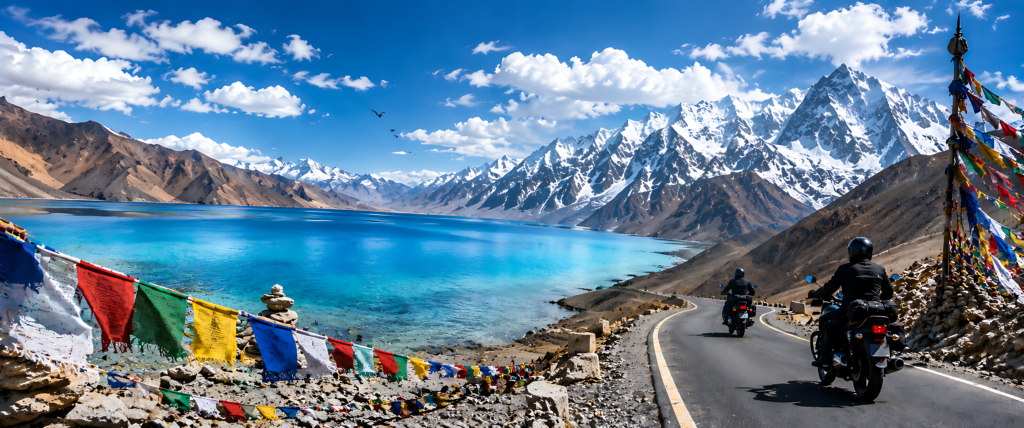
Known as the “Land of High Passes,” Ladakh offers landscapes unlike anywhere else in India. Towering snow-covered mountains, turquoise lakes, winding roads, ancient monasteries, colorful prayer flags, and peaceful valleys create a magical atmosphere that leaves every visitor amazed.
Adventure seekers travel to Ladakh for thrilling bike expeditions, challenging treks, camping experiences, river rafting, and off-road driving. Nature lovers visit to witness the beauty of Pangong Lake, Tso Moriri, Nubra Valley, and the dramatic mountain scenery.
The region is also deeply rooted in Buddhist culture. Monasteries such as Hemis, Thiksey, Diskit, and Alchi provide visitors with an opportunity to experience centuries-old traditions, beautiful architecture, and peaceful surroundings.
Another reason why travelers research how to reach Ladakh is the journey itself. The roads leading to Ladakh are considered among the most scenic highways in the world. Whether you travel through Kashmir or Himachal Pradesh, every kilometer offers spectacular views of rivers, glaciers, mountain passes, and charming villages.
Some of the top attractions in Ladakh include:
- Pangong Lake
- Nubra Valley
- Khardung La Pass
- Tso Moriri Lake
- Magnetic Hill
- Leh Palace
- Shanti Stupa
- Hemis Monastery
- Diskit Monastery
- Sangam Point
- Lamayuru Monastery
- Zanskar Valley
These attractions make Ladakh one of the most rewarding travel destinations in India.
Where is Ladakh Located?
Understanding the geography of the region is helpful before deciding how to reach Ladakh.
Ladakh is a Union Territory in northern India, situated between the Himalayan and Karakoram mountain ranges. It shares borders with Jammu & Kashmir, Himachal Pradesh, China, and Pakistan.
The capital city, Leh, serves as the main gateway for tourists. Almost every traveler begins their Ladakh journey from Leh before exploring destinations like Pangong Lake, Nubra Valley, Tso Moriri, Khardung La, and other famous attractions.
Leh sits at an altitude of approximately 11,500 feet (3,500 meters) above sea level. Due to this high elevation, travelers must give their bodies enough time to acclimatize after arrival.
Knowing how to reach Ladakh and understanding its high-altitude environment helps visitors prepare for a safe and enjoyable trip.
How to Reach Ladakh by Air
For travelers looking for the quickest and most convenient option, flying is the best answer to how to reach Ladakh.
The region is served by Kushok Bakula Rimpochee Airport (IXL) in Leh, one of the highest commercial airports in the world. Located just a few kilometers from Leh city, the airport connects Ladakh with several major Indian cities throughout the year.
Flying significantly reduces travel time and is the preferred choice for families, senior citizens, honeymooners, and travelers with limited vacation days.
Major Cities with Flights to Leh
Direct and connecting flights are available from:
- Delhi
- Chandigarh
- Srinagar
- Jammu
- Mumbai
- Bengaluru
- Hyderabad
- Chennai
- Ahmedabad
- Pune
- Kolkata
Among these, Delhi offers the highest number of daily flights during the tourist season.
The average flight duration from Delhi to Leh is around 1 hour and 30 minutes, making it the fastest option for travelers wondering how to reach Ladakh without spending several days on the road.
Why Choose Flights?
Many travelers choose flights when researching how to reach Ladakh because they provide several advantages.
Benefits include:
- Fastest mode of transportation
- Comfortable journey
- Ideal for families
- Suitable for elderly travelers
- Saves valuable vacation time
- Available for most of the year
- Easy airport transfers to Leh hotels
Flying allows visitors to maximize their sightseeing time while avoiding long road journeys.
Experience the Scenic Flight
One of the highlights of choosing air travel is witnessing the incredible Himalayan landscape from above.
As the aircraft approaches Leh, passengers are treated to unforgettable views of snow-covered mountain ranges, deep valleys, glaciers, winding rivers, and rugged terrain.
Choosing a window seat can make your journey even more memorable, as the aerial scenery is considered among the most beautiful in India.
Important Acclimatization Tips
Although flying is the easiest answer to how to reach Ladakh, it also brings travelers directly to a high altitude.
Since Leh is located over 11,500 feet above sea level, oxygen levels are significantly lower than in most Indian cities.
To reduce the risk of Acute Mountain Sickness (AMS), travelers should spend at least the first 24 hours resting after arrival.
Follow these simple precautions:
- Drink plenty of water.
- Stay hydrated throughout the day.
- Avoid alcohol and smoking.
- Eat light meals.
- Avoid strenuous physical activity.
- Walk slowly.
- Get adequate sleep.
Proper acclimatization is one of the most important parts of any Ladakh trip and should never be ignored.
How to Reach Ladakh by Road
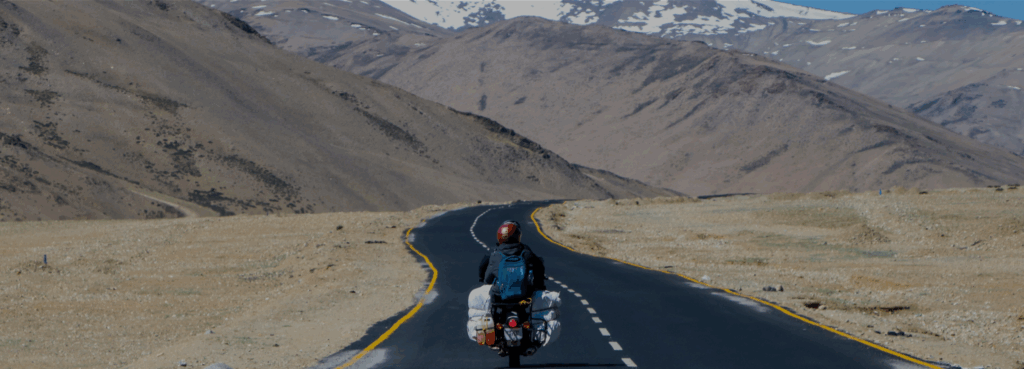
For adventure enthusiasts, traveling by road is often considered the most exciting way of discovering how to reach Ladakh.
Driving through winding mountain roads, crossing high-altitude passes, passing glaciers, rivers, waterfalls, and remote Himalayan villages makes the journey just as memorable as the destination itself.
There are two main road routes to reach Ladakh:
- Srinagar–Leh Highway (NH1)
- Manali–Leh Highway
Both highways usually remain open from late May to October, depending on snowfall and weather conditions.
Each route offers a completely different travel experience, making the choice an important part of planning how to reach Ladakh.
Srinagar–Leh Highway
The Srinagar–Leh Highway is widely considered the best option for first-time visitors.
Stretching approximately 420 kilometers, this route gradually gains altitude, allowing travelers to acclimatize naturally while enjoying spectacular scenery.
Most visitors complete the journey in two days, spending one night in Kargil.
Major Attractions Along the Srinagar Route
The journey passes through several famous destinations, including:
- Srinagar
- Sonamarg
- Zojila Pass
- Drass
- Kargil
- Mulbekh
- Lamayuru
- Magnetic Hill
- Leh
Each destination offers unique landscapes and cultural experiences, making the road trip unforgettable.
The gradual increase in altitude makes this route highly recommended for travelers who are concerned about altitude sickness while planning how to reach Ladakh.
Advantages of the Srinagar Route
Some of the biggest advantages include:
- Better acclimatization
- Smooth altitude gain
- Comfortable driving conditions
- Beautiful mountain scenery
- Historic towns and monasteries
- Excellent overnight accommodation options
If this is your first Himalayan road trip, the Srinagar route is generally considered the safest and most comfortable answer to how to reach Ladakh.
How to Reach Ladakh by Road via the Manali–Leh Highway
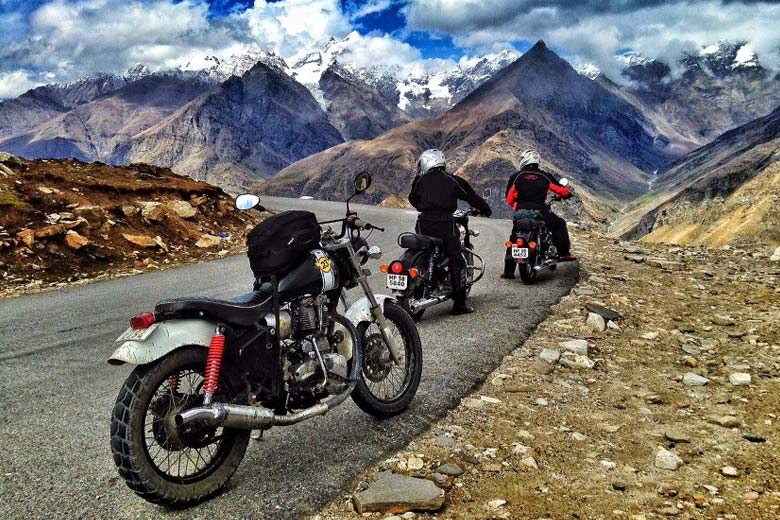
If you’re looking for an unforgettable Himalayan adventure, how to reach Ladakh through the Manali–Leh Highway is an experience unlike any other. This famous highway is one of the highest and most scenic roads in the world, attracting thousands of bikers and road-trip enthusiasts every year.
The Manali–Leh Highway stretches for approximately 470 kilometers and remains open from late May or June until September or early October, depending on weather conditions and snowfall.
Unlike the Srinagar route, this highway gains altitude much more quickly, making it more challenging for travelers. However, the dramatic mountain landscapes, thrilling river crossings, and famous high-altitude passes make it one of India’s greatest road trips.
For many adventure lovers, how to reach Ladakh by road through Manali is just as exciting as exploring Ladakh itself.
Major Stops on the Manali–Leh Highway
The Manali route offers several breathtaking destinations that make the journey memorable.
Manali
Most travelers begin their road trip from Manali. This beautiful hill station is well connected by road from Delhi and Chandigarh and offers motorcycle rentals, hotels, cafés, and vehicle repair facilities.
Atal Tunnel
The Atal Tunnel has significantly improved connectivity between Manali and Lahaul Valley. It reduces travel time and allows travelers to reach the higher Himalayan regions more comfortably.
Sissu
Known for its waterfalls and peaceful mountain views, Sissu is an ideal stop for refreshments and photography.
Jispa
Jispa is one of the most popular overnight halts on the Manali–Leh Highway. The village offers hotels, camps, and stunning views of the surrounding mountains.
Baralacha La
Located at an altitude of over 16,000 feet, Baralacha La is one of the first major mountain passes encountered on this route. Snow-covered peaks and breathtaking views make it one of the journey’s highlights.
Sarchu
Situated on the border of Himachal Pradesh and Ladakh, Sarchu is a common overnight stop for travelers. The region is famous for its tent accommodations and spectacular Himalayan scenery.
Nakee La and Lachulung La
These mountain passes feature winding roads, dramatic rock formations, and panoramic views that attract photographers from around the world.
Pang
Pang is a small settlement where many travelers stop for tea and meals before entering the famous More Plains.
More Plains
The More Plains offer a unique driving experience through a vast high-altitude plateau surrounded by colorful mountains. This stretch is unlike any other road in India.
Tanglang La
Standing at approximately 17,480 feet, Tanglang La is one of the highest mountain passes on the route. The breathtaking views make the challenging drive worthwhile.
Upshi
As you descend toward Leh, the roads become smoother and the Indus River accompanies you on the final stretch of the journey.
Finally, you arrive in Leh after completing one of the most iconic road trips in the Himalayas.
Srinagar vs Manali – Which Route Should You Choose?
When planning how to reach Ladakh, one of the most common questions is which highway is better.
Choose the Srinagar–Leh Highway if:
- You are visiting Ladakh for the first time.
- You want gradual acclimatization.
- You are traveling with family.
- You prefer smoother roads.
- You want a more comfortable journey.
Choose the Manali–Leh Highway if:
- You love adventure.
- You enjoy mountain driving.
- You are planning a bike trip.
- You want dramatic landscapes.
- You have previous experience with high-altitude travel.
Many experienced travelers recommend entering Ladakh via Srinagar and returning through Manali. This allows you to enjoy both highways while reducing the chances of altitude sickness.
Choosing the right route is one of the most important decisions when deciding how to reach Ladakh.
How to Reach Ladakh by Bike
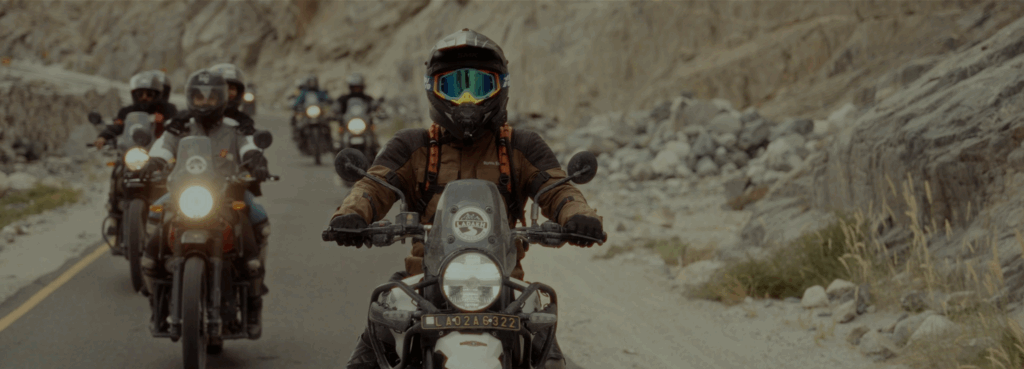
For thousands of adventure enthusiasts, the answer to how to reach Ladakh is simple—a motorcycle expedition.
A Ladakh bike trip is considered one of the best motorcycle adventures in the world. Riding through winding mountain roads, crossing famous passes, and witnessing changing landscapes every few kilometers creates memories that last a lifetime.
Popular starting points for bike trips include:
- Delhi
- Chandigarh
- Manali
- Srinagar
Best Bikes for Ladakh
While many motorcycles can complete the journey, the following models are among the most popular:
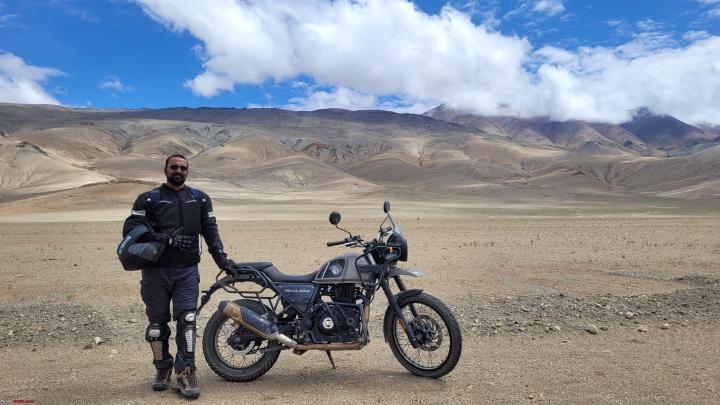
- Royal Enfield Himalayan
- Royal Enfield Classic 350
- Royal Enfield Bullet 350
- Hero XPulse 200
- KTM Adventure 390
- BMW GS Series
- Triumph Scrambler
Before starting your journey, ensure your motorcycle is serviced properly.
Important checks include:
- Engine oil
- Brake condition
- Clutch
- Tyres
- Battery
- Lights
- Chain lubrication
- Air filter
Essential Riding Gear
Safety should always come first during a Ladakh bike trip.
Carry:
- ISI-certified helmet
- Riding jacket with armour
- Riding pants
- Waterproof gloves
- Riding boots
- Rain gear
- Thermal wear
- UV-protection sunglasses
- Balaclava
These items ensure a comfortable and safe riding experience in changing mountain weather.
Fuel Availability
Fuel stations become limited once you leave major towns.
Petrol pumps are available in:
- Manali
- Tandi
- Leh
- Karu
- Diskit
Many riders carry extra fuel in approved containers for longer stretches without petrol pumps.
If you’re researching how to reach Ladakh by motorcycle, planning your fuel stops in advance is essential.
How to Reach Ladakh by Bus
Budget travelers often choose buses when planning how to reach Ladakh.
Government and private buses operate during the tourist season between:
- Delhi and Manali
- Delhi and Srinagar
- Manali and Leh
- Srinagar and Leh
Most travelers first reach Manali or Srinagar by Volvo bus and then continue toward Leh using local buses or shared transport.
Although bus journeys take longer, they offer an affordable way to experience the beautiful Himalayan landscape.
How to Reach Ladakh by Train
Many travelers search online for how to reach Ladakh by train.
Currently, Ladakh does not have a railway station.
However, you can travel by train to nearby cities and continue your journey by road.
The nearest major railway stations include:
- Jammu Tawi
- Chandigarh
- Pathankot
From these stations, travelers can hire taxis, board buses, or rent self-drive vehicles to continue toward Leh.
Although trains do not directly reach Ladakh, combining rail and road travel is an economical option for many visitors.
Private Taxi and Self-Drive Cars
If comfort is your priority while deciding how to reach Ladakh, hiring a private taxi is an excellent choice.
Private taxis are available from:
- Srinagar
- Manali
- Leh
Benefits include:
- Flexible itinerary
- Comfortable seating
- Experienced mountain drivers
- Convenient sightseeing
- Family-friendly travel
Many travelers also prefer self-drive SUVs for added flexibility. However, drivers should have experience driving on steep mountain roads and high-altitude passes.
Essential Travel Tips Before Reaching Ladakh
No matter which option you choose for how to reach Ladakh, these travel tips will make your journey safer and more enjoyable.
- Check weather and road conditions before departure.
- Carry government-issued photo identification.
- Keep multiple photocopies of permits.
- Download offline maps.
- Carry sufficient cash, as ATMs are limited outside Leh.
- Avoid driving after sunset.
- Drink plenty of water.
- Start your journey early each morning.
- Respect local customs and traditions.
- Do not litter in the fragile Himalayan ecosystem.
Planning ahead ensures that your journey is smooth from beginning to end.
Which Is the Best Way to Reach Ladakh?
The best option depends on your travel style.
- By Air: Fastest and most convenient.
- By Road: Perfect for scenic road trips.
- By Bike: Best for adventure enthusiasts.
- By Bus: Budget-friendly option.
- By Train + Road: Economical for long-distance travelers.
Regardless of the mode of transport you choose, understanding how to reach Ladakh in advance allows you to plan your itinerary better, manage your budget, and enjoy a safer trip.
Best Time to Visit Ladakh
Choosing the right season is just as important as choosing the right route. Ladakh experiences different weather conditions throughout the year, and every season offers a unique travel experience.
Summer (May to September)
Summer is the most popular time to visit Ladakh. During these months, the weather remains pleasant, major tourist attractions are accessible, and both the Srinagar–Leh and Manali–Leh highways are generally open.
Average daytime temperatures range between 10°C and 25°C, making it comfortable for sightseeing, camping, biking, trekking, and photography.
Summer is also the best season for travelers who want to explore Pangong Lake, Nubra Valley, Khardung La Pass, Tso Moriri, Magnetic Hill, and the monasteries around Leh.
Autumn (September to October)
Autumn offers pleasant weather with fewer crowds. The mountains display beautiful shades of gold and brown, making this season ideal for photography enthusiasts.
Hotel availability is generally better, and travelers can enjoy a quieter experience compared to the busy summer months.
Winter (November to February)
Winter transforms Ladakh into a snowy wonderland. Temperatures can drop below -20°C, and several roads remain closed due to heavy snowfall.
However, flights to Leh continue to operate depending on weather conditions.
Winter is perfect for:
- Chadar Trek
- Snow photography
- Frozen rivers
- Snow-covered monasteries
- Winter festivals
Travelers visiting during winter should carry appropriate winter clothing and prepare for extreme cold.

Permits Required for Ladakh
Before visiting certain regions in Ladakh, travelers must obtain the necessary permits.
Indian Citizens
Indian tourists require an Inner Line Permit (ILP) to visit protected areas such as:
- Pangong Lake
- Nubra Valley
- Tso Moriri
- Hanle
- Changthang region
The permit can be obtained online or through authorized travel agencies.
Foreign Nationals
Foreign visitors need a Protected Area Permit (PAP) for designated regions in Ladakh.
It is advisable to carry multiple photocopies of your permits and identity documents, as security checkpoints are common throughout the journey.
What to Pack for Ladakh
Packing correctly ensures a comfortable and enjoyable trip.
Clothing
Weather in Ladakh changes quickly, even during summer.
Carry:
- Thermal wear
- Fleece jacket
- Down jacket
- Windproof jacket
- Woollen cap
- Gloves
- Warm socks
- Comfortable trekking pants
- Full-sleeve T-shirts
- Rain jacket
Layering your clothing helps you adapt to changing temperatures.
Footwear
Choose comfortable footwear suitable for mountain roads and uneven terrain.
Recommended options include:
- Waterproof trekking shoes
- Sports shoes
- Comfortable slippers
Travel Essentials
Do not forget:
- Sunglasses
- Sunscreen (SPF 50+)
- Lip balm
- Moisturizer
- Reusable water bottle
- Power bank
- Torch
- Camera
- Personal toiletries
- Small backpack
These items improve comfort during long sightseeing days.
Medicines
Carry a basic medical kit that includes:
- Personal prescription medicines
- Motion sickness tablets
- ORS packets
- Pain relievers
- Bandages
- Antiseptic cream
- Cold and fever medicine
Always consult your doctor before carrying medication for high-altitude travel.
Accommodation in Ladakh
Ladakh offers accommodation for every budget.
Travelers can choose from:
- Luxury hotels
- Boutique resorts
- Budget hotels
- Guesthouses
- Backpacker hostels
- Homestays
- Luxury camps
- Riverside camps
Homestays are an excellent way to experience Ladakhi hospitality and local cuisine while supporting the local community.
During peak season, booking accommodation in advance is recommended.
Mobile Network and Internet Connectivity
Connectivity in Ladakh has improved over the years, but it is still limited in remote areas.
Postpaid connections from BSNL, Airtel, and Jio generally work in Leh and several popular tourist destinations.
Internet speeds may vary depending on your location.
Before starting your trip:
- Download offline maps.
- Save hotel confirmations.
- Keep printed copies of important documents.
- Inform family members about limited connectivity in remote regions.
Being prepared helps avoid unnecessary inconvenience during your journey.
Top Places to Visit After Reaching Leh
Once you have rested and acclimatized, it’s time to explore the incredible attractions that make Ladakh one of India’s most sought-after destinations.
Pangong Lake
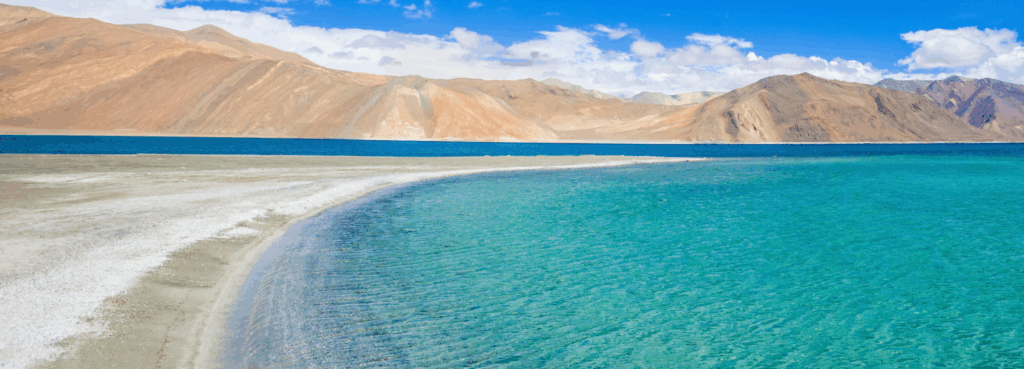
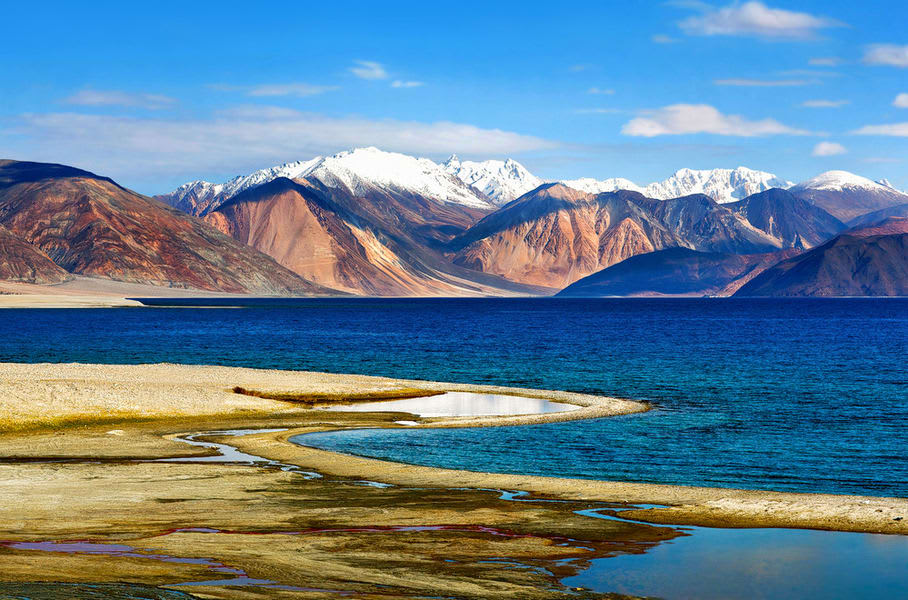
Famous for its changing shades of blue, Pangong Lake is one of the most photographed locations in Ladakh. Camping near the lake and watching the sunrise is an unforgettable experience.
Nubra Valley
Nubra Valley is known for its sand dunes, Bactrian camels, beautiful villages, and spectacular mountain scenery.
Visitors can also explore Diskit Monastery and enjoy local Ladakhi cuisine.
Khardung La Pass
One of the highest motorable roads in the world, Khardung La attracts bikers and adventure enthusiasts from around the globe.
The panoramic mountain views make it one of the highlights of every Ladakh itinerary.
Tso Moriri Lake
Located in a peaceful high-altitude region, Tso Moriri offers breathtaking scenery and excellent opportunities for birdwatching and photography.
Shanti Stupa
Perched on a hill overlooking Leh, Shanti Stupa provides spectacular sunrise and sunset views.
The peaceful surroundings make it a favorite among travelers.
Leh Palace
Leh Palace showcases Ladakh’s royal history and offers panoramic views of Leh city and the surrounding mountains.
Hemis Monastery
Hemis Monastery is one of the largest Buddhist monasteries in Ladakh and is famous for its annual Hemis Festival.
Its beautiful architecture and spiritual atmosphere attract visitors from around the world.
Magnetic Hill
Magnetic Hill is a popular roadside attraction where vehicles appear to move uphill due to an optical illusion, making it a fun stop during your Ladakh trip.
Responsible Tourism
Ladakh is home to a fragile mountain ecosystem. Responsible travel helps preserve its natural beauty for future generations.
While visiting Ladakh:
- Avoid littering.
- Carry reusable water bottles.
- Respect local traditions and monasteries.
- Support local businesses.
- Stay on marked roads and trails.
- Avoid disturbing wildlife.
- Conserve water whenever possible.
Small actions by every traveler can make a big difference.
Why Travel with International Youth Club?
Planning a Ladakh trip requires careful coordination of transportation, accommodation, permits, and sightseeing. International Youth Club offers thoughtfully designed travel experiences to help make your journey smooth and enjoyable.
With International Youth Club, travelers can benefit from:
- Well-planned itineraries
- Comfortable accommodation
- Experienced trip leaders
- Reliable transportation
- Group departures
- Adventure bike trips
- Local sightseeing
- On-ground travel assistance
Whether you’re traveling solo or with friends and family, our goal is to help you enjoy Ladakh with confidence and convenience.
Frequently Asked Questions
What is the fastest way to reach Ladakh?
The fastest option is a direct flight to Leh from Delhi or other major Indian cities.
Which road is better for first-time visitors?
The Srinagar–Leh Highway is generally recommended because it allows gradual acclimatization.
Is a Ladakh bike trip suitable for beginners?
Beginners can enjoy a bike trip if they have experience riding on mountain roads and prepare properly with safety gear and a well-maintained motorcycle.
How many days are enough for Ladakh?
A trip of 7–10 days is ideal to explore Leh, Nubra Valley, Pangong Lake, Tso Moriri, monasteries, and nearby attractions.
Is Ladakh suitable for family trips?
Yes. Families often choose to fly to Leh, spend time acclimatizing, and then explore the region by private vehicle.
Can I visit Ladakh during winter?
Yes, but travelers should be prepared for extreme cold and possible road closures due to snowfall.
Final Thoughts
Ladakh is more than just a destination—it’s an unforgettable journey through some of the most spectacular landscapes in the Himalayas. From scenic highways and peaceful monasteries to high mountain passes and crystal-clear lakes, every part of the experience leaves a lasting impression.
Whether you choose to travel by air for convenience or by road for adventure, careful planning will help you enjoy a safe and memorable trip. By selecting the right season, carrying the required permits, packing appropriately, and allowing enough time for acclimatization, you can make the most of your visit.
If you’re looking for a hassle-free travel experience, International Youth Club offers well-planned Ladakh tours designed for adventure, comfort, and unforgettable memories. Start planning your Himalayan journey today and experience the beauty, culture, and adventure that make Ladakh one of India’s most iconic travel destinations.
Planning how to reach Ladakh is the first step toward an unforgettable Himalayan adventure. This guide explains how to reach Ladakh by air, road, bike, and train, making it easier to choose the best travel option. If you’re wondering how to reach Ladakh safely and comfortably, you’ll find practical tips, route details, and travel advice throughout this article. Whether you’re a first-time visitor or an experienced traveler, learning how to reach Ladakh helps you plan a smooth and memorable journey. With the right preparation, how to reach Ladakh becomes simple, enjoyable, and stress-free with International Youth Club.