
Best Meghalaya Packages
Discover the Incredible Caves of Meghalaya
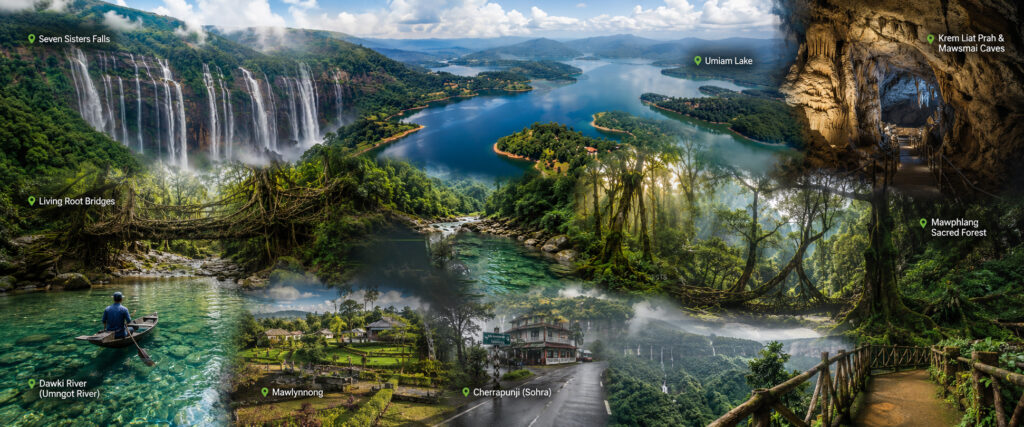
When travellers think of Meghalaya, they often imagine lush green hills, breathtaking waterfalls, crystal-clear rivers, and the famous Living Root Bridges. While these attractions have made Meghalaya one of India’s most sought-after travel destinations, there is another extraordinary world waiting beneath the surface. The Caves of Meghalaya are among the longest, deepest, and most fascinating cave systems in Asia, offering a thrilling adventure for nature lovers, photographers, geologists, and adventure enthusiasts alike.
Known as the Cave Capital of India, Meghalaya is home to more than 1,700 documented caves, with new cave systems still being discovered by explorers. These underground marvels have been naturally formed over millions of years through the slow erosion of limestone by flowing water. Inside these caves, visitors can witness spectacular stalactites hanging from the ceilings, stalagmites rising from the ground, underground rivers, hidden chambers, fossils, and unique rock formations that create an almost magical atmosphere.
Exploring the Caves of Meghalaya is unlike visiting any ordinary tourist destination. Every cave has its own story, geological significance, and natural beauty. Some caves are perfect for beginners and families, while others attract experienced cavers looking for adventure and scientific exploration. Walking through these underground passages gives travellers a chance to experience a completely different side of Meghalaya that many visitors never get to see.
Apart from their natural beauty, the caves also play an important ecological role. They provide habitats for bats, cave crickets, rare insects, freshwater species, and countless microorganisms that have adapted to survive in complete darkness. These delicate ecosystems make Meghalaya one of the most important regions for cave research and conservation in India.
At International Youth Club, we believe every journey should combine adventure, learning, and unforgettable experiences. Our carefully curated Meghalaya Tour Packages include visits to some of the most famous Caves of Meghalaya, allowing travellers to experience these underground wonders while also exploring waterfalls, rivers, viewpoints, and the rich culture of Northeast India.
Whether you’re planning a backpacking trip, a family vacation, a honeymoon, or an adventure expedition, the Caves of Meghalaya deserve a place on your travel itinerary.
Why Are the Caves of Meghalaya So Famous?
The Caves of Meghalaya are internationally recognised because of their extraordinary geological formations, immense size, and scientific importance. Unlike many caves found elsewhere in India, most caves in Meghalaya are formed from limestone, which is gradually dissolved by rainwater over thousands and even millions of years.
The state receives some of the highest rainfall in the world, particularly around Cherrapunji and Mawsynram. This continuous rainfall has carved intricate underground networks of tunnels, chambers, rivers, and rock formations, creating one of the largest cave systems in South Asia.
Some of the reasons why the Caves of Meghalaya attract visitors from around the world include:
- More than 1,700 documented caves, with new discoveries made regularly.
- Home to some of the longest cave systems in India.
- Magnificent limestone formations including stalactites and stalagmites.
- Underground rivers and natural pools.
- Rare fossils dating back millions of years.
- Rich biodiversity including bats, insects, and unique cave ecosystems.
- Adventure opportunities for trekking and cave exploration.
- Scientific importance for geologists and researchers.
- Easy accessibility to several caves near Shillong and Cherrapunji.
Whether you’re interested in geology, photography, wildlife, or adventure tourism, the Caves of Meghalaya offer an experience unlike anywhere else in the country.
Mawsmai Cave – Meghalaya’s Most Famous Cave
Among all the Caves of Meghalaya, Mawsmai Cave is undoubtedly the most popular and frequently visited. Located just a few kilometres from Cherrapunji, this limestone cave is an ideal destination for first-time visitors who want to experience Meghalaya’s underground beauty without undertaking a difficult trek.
The cave has well-maintained pathways and adequate lighting, making it suitable for families, children, and senior travellers. As you enter the cave, you’ll immediately notice the cool temperature, naturally sculpted limestone walls, and impressive rock formations that have developed over countless centuries.
Some sections of the cave are narrow enough to create a sense of adventure, while larger chambers showcase spectacular stalactites and stalagmites illuminated by natural and artificial light. Water droplets continue to shape the cave even today, making it a living geological wonder.
The surrounding area is equally beautiful, with lush greenery, viewpoints, and several other popular attractions located nearby. This makes Mawsmai Cave an easy addition to any Meghalaya itinerary.
Highlights
- Most famous cave in Meghalaya
- Easy accessibility
- Family-friendly experience
- Beautiful limestone formations
- Well-maintained pathways
- Located close to Cherrapunji
Things to Do
- Walk through the illuminated cave passages.
- Observe naturally formed stalactites and stalagmites.
- Capture unique cave photography.
- Visit nearby waterfalls and viewpoints.
- Learn about limestone cave formation.
For anyone exploring the Caves of Meghalaya for the first time, Mawsmai Cave is the perfect introduction.
Arwah Cave – Discover Ancient Fossils Underground
Another remarkable destination among the Caves of Meghalaya is Arwah Cave, located near Cherrapunji. Although less crowded than Mawsmai Cave, Arwah offers a more peaceful and immersive experience for visitors who appreciate nature and geology.
What makes Arwah Cave particularly special is the presence of ancient marine fossils embedded within its limestone walls. These fossils are believed to date back millions of years, providing fascinating evidence that this region was once submerged beneath the ocean.
Before reaching the cave, visitors enjoy a short walk through lush green landscapes and scenic viewpoints overlooking deep valleys. The trail itself is an attraction, offering excellent opportunities for photography and birdwatching.
Inside the cave, narrow passages gradually open into spacious chambers decorated with naturally formed rock structures. Light filtering through small openings creates dramatic shadows that make the cave especially attractive for photographers.
Highlights
- Ancient marine fossils
- Peaceful atmosphere
- Scenic walking trail
- Beautiful limestone formations
- Excellent photography opportunities
Things to Do
- Explore fossil-rich cave walls.
- Enjoy nature walks before reaching the cave.
- Capture landscape and cave photography.
- Observe unique geological formations.
- Combine your visit with nearby attractions in Cherrapunji.
Arwah Cave offers visitors an opportunity to experience the scientific and historical importance of the Caves of Meghalaya, making it much more than just another tourist attraction.
Siju Cave – One of India’s Longest Natural Cave Systems
Located in the Garo Hills region, Siju Cave is one of the oldest and longest natural cave systems in India. It is widely regarded as one of the most adventurous destinations among the Caves of Meghalaya, attracting experienced explorers, wildlife enthusiasts, and researchers from across the world.
Unlike Mawsmai Cave, Siju Cave offers a much wilder experience. Large sections of the cave remain in their natural state, with underground streams, narrow passages, massive chambers, and impressive limestone formations waiting to be explored.
The cave is also home to one of the largest bat colonies in Meghalaya, making it an important ecological site. Visitors may also spot cave crickets and other species that have adapted to life in complete darkness.
The nearby Simsang River adds to the beauty of the region, allowing travellers to combine cave exploration with scenic river views and local village experiences.
Highlights
- One of India’s longest caves
- Underground river
- Massive limestone chambers
- Rich biodiversity
- Popular among adventure travellers
Things to Do
- Explore natural cave passages.
- Observe bats and cave wildlife.
- Photograph unique limestone formations.
- Visit nearby villages and rivers.
- Experience one of Meghalaya’s most adventurous destinations.
For travellers seeking a deeper exploration of the Caves of Meghalaya, Siju Cave offers an unforgettable combination of adventure, geology, and natural beauty.
Liat Prah Cave – One of India’s Longest Cave Systems
Among the most remarkable Caves of Meghalaya, Liat Prah Cave is a true paradise for cave explorers and researchers. Stretching for more than 30 kilometres, it is one of the longest cave systems in India and an important destination for scientific expeditions.
Unlike tourist-friendly caves with paved walkways, Liat Prah remains largely untouched. Exploring its deeper sections requires technical caving equipment, experienced guides, and proper preparation. Because of its complexity, much of the cave is visited only by professional cave explorers and researchers.
The cave features massive underground chambers, limestone formations, narrow tunnels, and fascinating rock structures that have evolved over millions of years. The sheer scale of the cave demonstrates why Meghalaya has earned the title of the Cave Capital of India.
Even if visitors cannot explore the entire cave, learning about Liat Prah’s geological importance provides a deeper appreciation of the incredible Caves of Meghalaya.
Highlights
- One of India’s longest cave systems
- Over 30 kilometres in length
- Popular for cave exploration and research
- Extraordinary limestone formations
- Rich geological significance
Things to Do
- Join guided cave expeditions where permitted.
- Learn about cave exploration techniques.
- Photograph limestone formations.
- Experience Meghalaya’s rich geological heritage.
Liat Prah showcases the adventurous side of Meghalaya and continues to attract cave explorers from around the world.
Krem Mawmluh – The Cave That Fascinates Scientists
Located close to Cherrapunji, Krem Mawmluh is another spectacular destination among the Caves of Meghalaya. This limestone cave is famous not only for its underground rivers and impressive chambers but also for its importance in geological research.
Scientists have studied sediment deposits inside Krem Mawmluh to understand changes in Earth’s climate over thousands of years. These discoveries have made the cave internationally significant within the scientific community.
Visitors entering the cave encounter winding passages, underground streams, naturally carved rock formations, and large limestone chambers that create an exciting yet peaceful atmosphere.
For adventure lovers, Krem Mawmluh offers a more rugged experience compared to Mawsmai Cave while still being accessible with experienced local guides.
Highlights
- Underground rivers
- Limestone chambers
- Important geological research site
- Close to Cherrapunji
- Adventure-friendly cave
Things to Do
- Guided cave exploration
- Geological photography
- Observe underground streams
- Learn about climate research
Krem Mawmluh beautifully combines science, adventure, and natural beauty, making it one of the must-visit Caves of Meghalaya.
Krem Lymput – An Offbeat Underground Experience
For travellers looking to explore beyond Meghalaya’s most popular tourist attractions, Krem Lymput offers a quieter and more authentic caving experience.
Although not as famous as Mawsmai or Arwah Cave, Krem Lymput attracts adventure enthusiasts who enjoy discovering lesser-known destinations. The cave features naturally formed limestone passages, underground chambers, and fascinating rock textures created over millions of years.
The surrounding landscape is equally impressive, with lush forests, rolling hills, and peaceful villages adding to the overall experience.
Visitors who prefer uncrowded locations often consider Krem Lymput one of the hidden treasures among the Caves of Meghalaya.
Highlights
- Lesser-known cave
- Peaceful surroundings
- Beautiful limestone formations
- Ideal for adventure travellers
- Excellent photography opportunities
Activities
- Nature photography
- Guided cave walks
- Landscape exploration
- Birdwatching in nearby forests
Krem Um Ladaw – A Hidden Gem for Adventure Enthusiasts
Another fascinating destination worth exploring is Krem Um Ladaw, one of Meghalaya’s lesser-visited cave systems.
Although it does not receive as many visitors as Mawsmai Cave, Krem Um Ladaw offers an authentic adventure experience for travellers seeking untouched natural beauty.
The cave contains winding tunnels, naturally sculpted limestone walls, underground passages, and unique geological formations that make every visit exciting.
Since this cave remains relatively unexplored compared to major tourist caves, hiring an experienced local guide is highly recommended.
Highlights
- Offbeat destination
- Natural cave formations
- Adventure-friendly environment
- Peaceful atmosphere
- Rich geological features
Exploring hidden destinations like Krem Um Ladaw allows visitors to appreciate the diversity of the Caves of Meghalaya beyond the famous tourist spots.
Geological Importance of the Caves of Meghalaya
One of the reasons the Caves of Meghalaya are internationally recognised is their remarkable geological significance.
Over millions of years, rainwater rich in carbon dioxide slowly dissolved limestone rocks, creating vast underground networks of tunnels, chambers, rivers, and spectacular formations. This natural process, known as karst formation, continues even today.
Inside these caves, visitors can observe:
- Stalactites hanging from cave ceilings
- Stalagmites rising from the cave floor
- Limestone pillars
- Underground rivers
- Natural rock bridges
- Crystal-like mineral deposits
- Massive underground chambers
These formations grow extremely slowly—often only a few millimetres over hundreds of years. This makes them incredibly fragile and valuable from both scientific and environmental perspectives.
Researchers continue to study the Caves of Meghalaya to understand climate change, groundwater systems, biodiversity, and the geological history of the Indian subcontinent.
Wildlife Found Inside the Caves
The Caves of Meghalaya are not only geological wonders but also important habitats for unique wildlife that has adapted to survive in complete darkness.
Many species found inside these caves cannot easily survive outside their underground environment.
Some commonly found wildlife includes:
Bats
Several caves support large bat colonies. These bats play an essential role in maintaining ecological balance by controlling insect populations and helping disperse seeds.
Cave Crickets
These insects thrive in dark, damp cave environments and form an important part of the underground food chain.
Freshwater Fish
Some underground streams support freshwater fish specially adapted to cave ecosystems.
Spiders and Insects
Visitors may also observe rare insects, spiders, and tiny invertebrates living inside limestone chambers.
Because these ecosystems are extremely delicate, visitors should avoid disturbing wildlife while exploring the caves.
Adventure Activities Near the Caves of Meghalaya
A visit to the Caves of Meghalaya can easily be combined with several other exciting experiences, making your trip even more memorable.
Trekking
Many caves are surrounded by scenic forest trails and rolling hills that offer excellent trekking opportunities.
Living Root Bridges
No Meghalaya trip is complete without visiting the famous Living Root Bridges, where local Khasi communities have trained tree roots to form natural bridges over rivers.
Waterfall Exploration
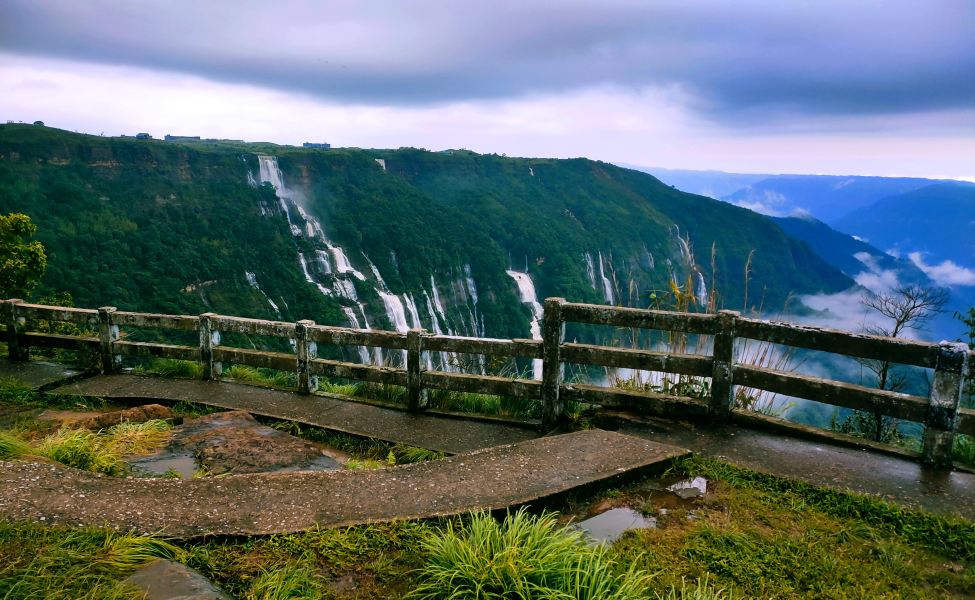
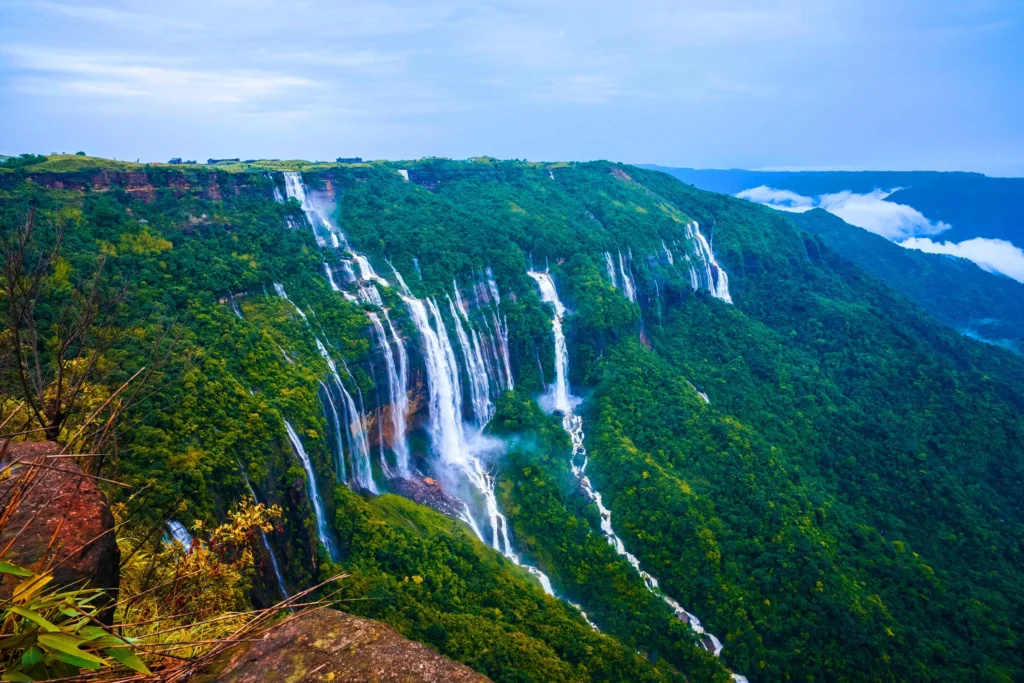
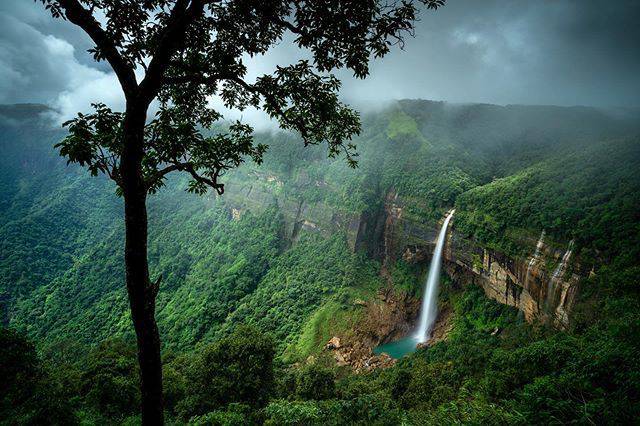
Several spectacular waterfalls, including Nohkalikai Falls, Seven Sisters Falls, and Wei Sawdong Falls, are located near Cherrapunji.
River Activities
Visitors to Shnongpdeng can enjoy kayaking, boating, cliff jumping, ziplining, and crystal-clear river experiences.
Camping
Camping amidst Meghalaya’s mountains and forests offers unforgettable stargazing opportunities and peaceful evenings surrounded by nature.
Local Village Experiences
Travellers can interact with Khasi and Garo communities, learn about local traditions, taste authentic cuisine, and experience Meghalaya’s warm hospitality.
By combining these activities with the Caves of Meghalaya, visitors can enjoy a well-rounded adventure that showcases the very best of Northeast India.
Photography Tips for Exploring the Caves of Meghalaya
The Caves of Meghalaya provide incredible opportunities for photography, but capturing their beauty requires a little preparation.
Here are some useful tips:
- Carry a flashlight or headlamp for darker sections.
- Use a camera with good low-light performance.
- Avoid using flash directly on wildlife such as bats.
- Wear non-slip shoes while moving through damp passages.
- Capture both wide-angle shots and close-up details of limestone formations.
- Include people in some photographs to highlight the immense scale of the cave chambers.
- Protect your camera equipment from moisture by using waterproof covers.
Whether you’re using a smartphone or a professional camera, the unique textures, natural light, and dramatic formations inside the Caves of Meghalaya offer endless creative possibilities.
Best Time to Visit the Caves of Meghalaya
The Caves of Meghalaya can be explored throughout the year, but choosing the right season can make your experience even more enjoyable. Every season offers a different perspective of Meghalaya’s underground wonders and surrounding landscapes.
Spring (March to May)
Spring is one of the best seasons to visit Meghalaya. The weather remains pleasant, making it comfortable to explore caves, waterfalls, and nearby trekking trails. The forests surrounding the caves become lush and vibrant, creating excellent opportunities for photography.
Why Visit During Spring?
- Comfortable weather
- Clear visibility
- Ideal for sightseeing
- Pleasant trekking conditions
- Perfect for photography
Summer (May to June)
Although many parts of India experience intense heat during summer, Meghalaya enjoys a relatively cool climate. This makes cave exploration comfortable and enjoyable.
Summer is also an excellent time for families, backpackers, and group travellers looking to combine cave exploration with visits to waterfalls, living root bridges, and scenic viewpoints.
Monsoon (June to September)
Meghalaya is famous for receiving some of the highest rainfall in the world. During the monsoon, the entire landscape transforms into a lush green paradise. Waterfalls become more powerful, rivers overflow, and forests look incredibly vibrant.
However, heavy rainfall can increase water levels inside some caves, making exploration difficult or temporarily unsafe. Some trekking trails may also become slippery.
If you plan to visit during this season, always check local weather conditions and follow guidance from local authorities and guides.
Autumn (October to November)
Autumn is widely regarded as one of the finest times to explore the Caves of Meghalaya. The skies remain clear, humidity decreases, and the surrounding landscapes become even more picturesque after the monsoon.
The pleasant climate also makes it easy to combine cave exploration with visits to nearby attractions.
Winter (December to February)
Winter offers cool temperatures and clear weather, making it another excellent season for exploring Meghalaya. The comfortable climate allows visitors to spend more time inside the caves while also enjoying outdoor activities such as trekking and sightseeing.
Overall, the period from October to April is considered the best time to visit the Caves of Meghalaya.
How to Reach the Caves of Meghalaya
Reaching the Caves of Meghalaya is relatively straightforward, especially if you base your trip in Shillong or Cherrapunji.
By Air
The nearest airport is Shillong Airport (Umroi Airport), which has limited flight connectivity.
For better connectivity, most travellers prefer flying to Lokpriya Gopinath Bordoloi International Airport, Guwahati, located approximately 120 kilometres from Shillong. From Guwahati, taxis and shared cabs are readily available.
By Train
The nearest major railway station is Guwahati Railway Station, which is well connected to Delhi, Kolkata, Mumbai, Bengaluru, Chennai, and other major Indian cities.
After reaching Guwahati, travellers can continue their journey by road to Shillong and Cherrapunji.
By Road
Meghalaya has an excellent road network connecting Shillong, Cherrapunji, Dawki, and nearby tourist destinations.
Most famous caves such as Mawsmai Cave, Arwah Cave, and Krem Mawmluh can be comfortably explored through day trips from Shillong or Cherrapunji.
Choosing a professionally planned itinerary from International Youth Club allows travellers to enjoy these destinations without worrying about transportation, route planning, or accommodation.
Essential Travel Tips for Exploring the Caves of Meghalaya
Exploring the Caves of Meghalaya is an exciting adventure, but proper preparation will ensure a safe and enjoyable experience.
Wear Comfortable Footwear
Most caves have uneven surfaces, slippery rocks, and narrow passages. Good-quality trekking shoes with proper grip are highly recommended.
Carry a Flashlight
While tourist caves like Mawsmai have lighting, carrying a flashlight or headlamp is useful, especially if you’re exploring less-developed caves with a guide.
Wear Comfortable Clothing
Lightweight, breathable clothes that allow easy movement are ideal for cave exploration. Avoid loose clothing that may snag on rocks.
Stay Hydrated
Carry enough drinking water, especially if you’re combining cave visits with trekking or sightseeing.
Follow Your Guide
Some cave systems are complex and can be confusing. Always follow designated paths and listen carefully to local guides.
Protect the Environment
Never carve names on cave walls or damage limestone formations. Many cave formations have taken thousands of years to develop and are extremely fragile.
Responsible Cave Tourism
The Caves of Meghalaya are among India’s most valuable natural treasures. Protecting them is essential for preserving their beauty and ecological significance.
As responsible travellers, always remember to:
- Avoid littering inside or around caves.
- Carry reusable water bottles instead of single-use plastics.
- Respect local communities and traditions.
- Stay on designated trails.
- Do not disturb bats or other wildlife.
- Never touch delicate limestone formations unnecessarily.
- Follow all safety instructions provided by local authorities.
Responsible tourism helps ensure that future generations can continue exploring these incredible underground landscapes.
Why Choose International Youth Club for Your Meghalaya Adventure?
Planning a Meghalaya trip involves much more than simply booking hotels. From selecting the right itinerary to arranging transportation, local sightseeing, accommodation, and experienced guides, proper planning makes a significant difference.
At International Youth Club, we specialize in creating unforgettable travel experiences across Northeast India. Our Meghalaya Tour Packages are carefully designed to include not only the famous Caves of Meghalaya, but also the state’s most iconic attractions such as:
- Living Root Bridges
- Dawki River
- Shnongpdeng
- Cherrapunji
- Nohkalikai Falls
- Seven Sisters Falls
- Wei Sawdong Falls
- Mawlynnong Village
- Shillong
- Local Khasi cultural experiences
Why Travellers Choose International Youth Club
- Professionally curated itineraries
- Comfortable accommodations
- Reliable transportation
- Experienced trip captains
- Budget-friendly group departures
- Safe and hassle-free travel
- Well-planned sightseeing schedules
- 24/7 travel assistance
Whether you’re a solo traveller, a couple, a family, or a group of friends, our packages are designed to help you experience Meghalaya in the most enjoyable and stress-free way possible.
Frequently Asked Questions
Which is the most famous cave in Meghalaya?
Mawsmai Cave is the most popular and easily accessible cave, making it ideal for first-time visitors.
How many caves are there in Meghalaya?
More than 1,700 caves have been documented in Meghalaya, and explorers continue to discover new cave systems.
Are the Caves of Meghalaya safe for tourists?
Yes. Tourist-friendly caves such as Mawsmai Cave and Arwah Cave are generally safe when visited responsibly and during suitable weather conditions.
Do I need a guide to explore the caves?
Popular caves usually don’t require guides. However, remote and adventure caves should always be explored with experienced local guides.
How many days are enough for exploring Meghalaya?
A 5 to 7-day itinerary is ideal for covering the Caves of Meghalaya, Living Root Bridges, Dawki, Shillong, Cherrapunji, waterfalls, and other major attractions.
Final Thoughts
The Caves of Meghalaya reveal an extraordinary world hidden beneath one of India’s most beautiful states. From the beginner-friendly pathways of Mawsmai Cave and the fossil-rich chambers of Arwah Cave to the adventurous passages of Siju Cave, the immense scale of Liat Prah, and the scientific importance of Krem Mawmluh, every cave offers a unique perspective on Meghalaya’s natural heritage.
These underground wonders are much more than geological formations. They tell stories that have been shaped over millions of years through the continuous work of nature. Combined with Meghalaya’s waterfalls, living root bridges, lush forests, and warm local culture, cave exploration becomes one of the most memorable experiences in Northeast India.
Whether you’re an adventure enthusiast, a nature lover, a photographer, or someone looking to explore beyond the usual tourist attractions, the Caves of Meghalaya deserve a place on your travel bucket list.
With thoughtfully curated Meghalaya Tour Packages from International Youth Club, you can experience these underground marvels alongside the state’s most iconic destinations—all without the stress of planning logistics. Let our experienced team take care of your journey while you create unforgettable memories in the “Abode of Clouds.”
Your next adventure begins beneath the surface—discover the breathtaking Caves of Meghalaya with International Youth Club and experience one of India’s most extraordinary natural wonders.