
Nirmal Purja, widely known as Nimsdai, became one of the most recognised names in modern mountaineering through a series of extraordinary high-altitude achievements. From completing all 14 of the world’s 8,000-metre peaks in record time to becoming part of the team that achieved the first winter ascent of K2, his journey transformed him from a former Gurkha soldier into a global mountaineering icon.
His story is not simply about climbing mountains. It is about ambition, discipline, teamwork and the willingness to attempt goals that many people considered impossible.
In 2019, Nirmal Purja changed the record books with Project Possible, an ambitious expedition to climb all 14 mountains above 8,000 metres. He completed the challenge in just 6 months and 6 days, finishing on Shishapangma on 29 October 2019. Guinness World Records recognises this as the fastest time to climb all 14 mountains over 8,000 metres.
His achievements continued in 2021 when a team of Nepali climbers made the first successful winter ascent of K2, the world’s second-highest mountain. Nirmal Purja was among the climbers who reached the summit on 16 January 2021.

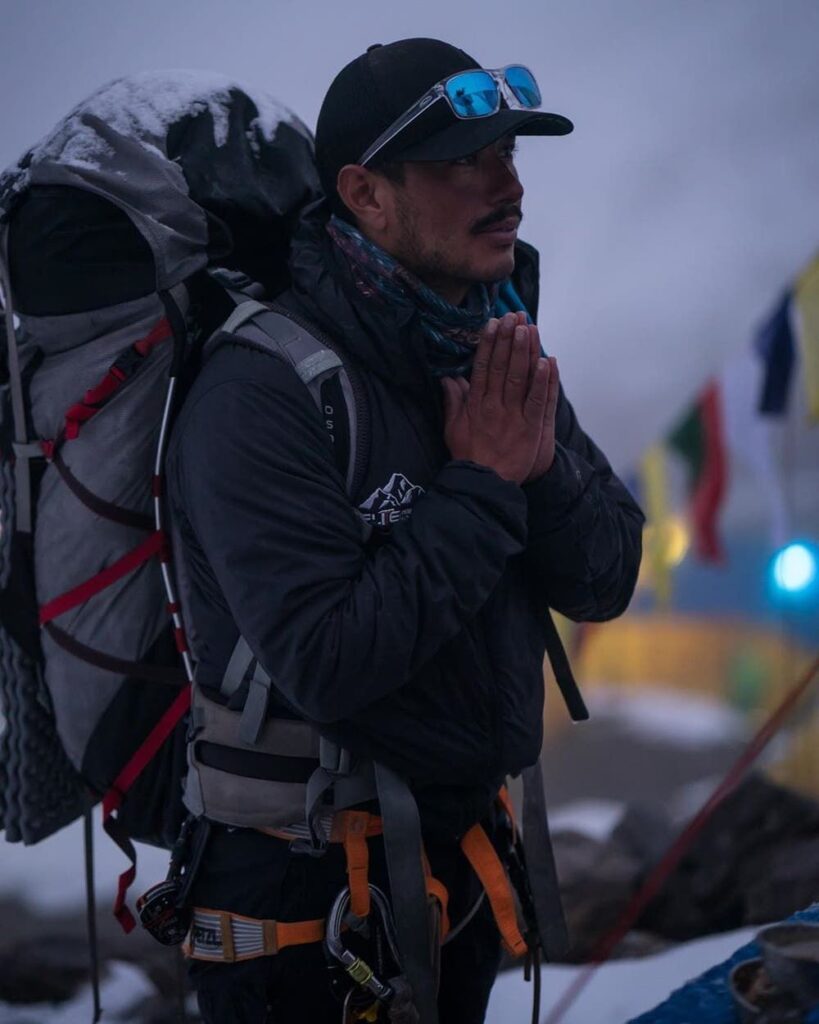

Who Was Nirmal Purja?
Nirmal Purja was a Nepal-born mountaineer and former British Gurkha and Special Forces soldier whose career combined military discipline with extreme-altitude mountaineering.
His background played an important role in shaping his approach to difficult challenges. Before becoming internationally famous for his mountain expeditions, Purja served in the British Gurkhas and later became the first Gurkha to pass selection for the UK’s Special Boat Service, according to biographical accounts published after his death.
His transition from military service to professional mountaineering was remarkable.
Instead of gradually building his reputation through conventional climbing goals, Purja eventually announced one of the most ambitious projects in mountaineering history: climbing all 14 peaks above 8,000 metres in a dramatically shortened timeframe.
That project became known as Project Possible.
What Is Project Possible?
Project Possible was Nirmal Purja’s attempt to climb all 14 of the world’s 8,000-metre peaks within seven months.
These mountains are considered among the most dangerous and demanding climbing objectives on Earth. Every peak rises above 8,000 metres, where climbers face extremely low temperatures, reduced oxygen levels, unpredictable weather and the dangers associated with the high-altitude “death zone.”
Purja began the project in April 2019.
His first summit was Annapurna I, which he climbed on 23 April 2019. He then continued through some of the world’s most difficult mountains, including Dhaulagiri, Kanchenjunga, Mount Everest, Lhotse, Makalu, Cho Oyu, Manaslu and others.
The final summit was Shishapangma in Tibet, reached on 29 October 2019.
Instead of taking the seven months he had originally targeted, Purja completed all 14 peaks in 189 days, equivalent to approximately six months and six days. Guinness World Records lists this as the fastest ascent of all 14 mountains over 8,000 metres.
Nirmal Purja’s 14 Eight-Thousanders
The 14 mountains above 8,000 metres climbed during Project Possible were:
- Annapurna I – 8,091 m
- Dhaulagiri I – 8,167 m
- Kangchenjunga – 8,586 m
- Mount Everest – 8,849 m
- Lhotse – 8,516 m
- Makalu – 8,485 m
- Cho Oyu – 8,188 m
- Manaslu – 8,163 m
- Broad Peak – 8,051 m
- K2 – 8,611 m
- Nanga Parbat – 8,126 m
- Gasherbrum I – 8,080 m
- Gasherbrum II – 8,035 m
- Shishapangma – 8,027 m
Completing even one of these mountains is a huge achievement for a mountaineer. Completing all 14 in such a short period made Project Possible one of the defining achievements of modern high-altitude climbing.
How Fast Did Nirmal Purja Climb the 14 Peaks?
One of the most frequently searched facts about Nirmal Purja is the time he took to complete the 14 peaks.
The answer is:
6 months and 6 days.
His first summit, Annapurna I, was reached on 23 April 2019, while his final summit, Shishapangma, was completed on 29 October 2019.
The entire expedition lasted 189 days.
The speed of the expedition was particularly remarkable because the project involved travelling between different countries and mountain ranges, arranging permits, managing logistics and dealing with extreme weather and altitude.
It was not simply a matter of climbing one mountain after another. The expedition required enormous logistical planning.
Nirmal Purja and the First Winter Ascent of K2
Another major chapter in Nirmal Purja’s mountaineering career came in January 2021.
K2, standing at 8,611 metres, is the world’s second-highest mountain after Everest. It has long been regarded as one of the most technically difficult and dangerous mountains to climb.
For decades, K2 remained unclimbed during winter.
That changed on 16 January 2021, when a team of ten Nepali climbers successfully reached the summit together, achieving the first winter ascent of K2. Nirmal Purja was among the climbers on the historic expedition.
The achievement was especially significant because winter conditions on K2 are extraordinarily severe.
The team faced extreme cold, powerful winds and the technical challenges of climbing one of the world’s most demanding peaks during the harshest season.
The successful expedition represented a historic moment for Nepalese mountaineering.


Did Nirmal Purja Climb K2 Without Oxygen?
Nirmal Purja also reported that he reached the summit of K2 during the historic winter ascent without supplementary oxygen, making the achievement even more remarkable. Contemporary mountaineering reporting documented his claim shortly after the ascent.
However, it is important to distinguish this achievement from his Project Possible record.
During Project Possible, Purja used supplementary oxygen on his ascents, as Guinness World Records notes.
This distinction matters because climbing above 8,000 metres with or without supplemental oxygen represents different physiological and mountaineering challenges.
Nimsdai and the Rise of a Global Mountaineering Icon
The name Nimsdai became widely recognised among adventure and mountaineering audiences following Project Possible.
His approach was different from the traditional image of a mountaineer working quietly on a single expedition for months or years.
Purja’s expeditions were highly visible, fast-moving and heavily documented.
His achievements also brought greater international attention to the skills and contributions of Nepali climbers and high-altitude mountain workers.
The success of Project Possible demonstrated the importance of teamwork. Although Purja became the face of the expedition, many fellow Nepali climbers contributed to different stages of the project.
That collective effort became an important part of the story.
14 Peaks: Nothing Is Impossible
Nirmal Purja’s Project Possible journey later reached an even wider global audience through the documentary 14 Peaks: Nothing Is Impossible.
The documentary introduced viewers to the extraordinary challenge of climbing all 14 mountains above 8,000 metres within an exceptionally short period.
It also showed the physical and mental challenges involved in the expedition, along with the logistical difficulties behind the record.
For people who had never followed high-altitude mountaineering, the documentary provided a way to understand why the project was considered so ambitious.
The story’s central message was reflected in the project’s name itself:
Project Possible.
The idea was to challenge the assumption that something is impossible simply because it has never been achieved before.
Nirmal Purja’s Most Important Achievements
Nirmal Purja’s career includes several achievements that have made him one of the most discussed mountaineers of his generation.
Fastest Ascent of All 14 Eight-Thousanders
His biggest achievement was completing all 14 mountains above 8,000 metres in 6 months and 6 days. Guinness World Records officially recognises the record.
First Winter Ascent of K2
Purja was part of the ten-member Nepali team that made the first successful winter ascent of K2 in January 2021.
Military Background
Before becoming a professional mountaineer, Purja served in the British Gurkhas and the UK’s Special Boat Service. His military background contributed to the discipline and resilience that became central to his mountaineering career.
Global Recognition
His record-breaking Project Possible expedition turned him into an internationally recognised mountaineer and brought Nepalese mountaineering to a much wider audience.
Why Nirmal Purja’s Story Is So Inspiring
The appeal of Nirmal Purja’s story goes beyond mountain records.
His journey demonstrates what can happen when a person combines preparation, determination, teamwork and an ambitious goal.
Project Possible was initially viewed by many as unrealistic. Yet Purja continued with the expedition and ultimately completed it in a fraction of the time previously associated with climbing all 14 eight-thousanders.
His story has therefore become a source of motivation for people outside mountaineering as well.
Entrepreneurs, athletes, adventurers and ordinary travellers can all relate to the basic idea behind his project: a difficult goal becomes achievable when it is approached with preparation and determination.
Nirmal Purja’s Connection With the Himalayas
For Nepal, the mountains are more than adventure destinations.
The Himalayas are deeply connected to the country’s identity, tourism and mountaineering culture.
Nirmal Purja’s achievements helped place Nepali climbers at the centre of international conversations about high-altitude mountaineering.
His expeditions also highlighted the importance of Nepali climbers who frequently play critical roles in Himalayan expeditions.
The success of the Nepali team on K2 in winter was particularly significant because the achievement was made collectively rather than by a single climber.
The Final Chapter of Nirmal Purja’s Mountaineering Journey
In July 2026, Nirmal Purja was among climbers killed in an avalanche on Broad Peak in Pakistan. The accident occurred during an expedition in the mountain’s high-altitude environment. Recent reports confirmed that his body was subsequently recovered and airlifted from the region.
His death marked a tragic loss for the global mountaineering community.
Purja was 43 years old.
His passing has brought renewed attention to both his extraordinary achievements and the inherent risks of high-altitude mountaineering.
For someone who spent much of his life pushing the limits of what was considered possible in the world’s highest mountains, his legacy is likely to remain part of mountaineering history for years to come.
Nirmal Purja’s Legacy
Nirmal Purja’s legacy is not defined by one mountain or one record.
It is built around an entire career of challenging conventional expectations.
His Project Possible expedition changed the speed record for climbing all 14 eight-thousanders. His participation in the first winter ascent of K2 added another historic achievement to his career.
But perhaps the most lasting part of his legacy is the inspiration his story created.
He showed that ambitious goals can sometimes require completely new approaches.
He demonstrated the importance of teamwork, preparation and persistence.
And through his achievements, he helped introduce millions of people around the world to the extraordinary world of Himalayan mountaineering.
Frequently Asked Questions About Nirmal Purja
Who is Nirmal Purja?
Nirmal Purja, popularly known as Nimsdai, was a Nepal-born mountaineer and former British Gurkha and Special Forces soldier known for his record-breaking high-altitude expeditions.
What is Nirmal Purja famous for?
Nirmal Purja is best known for climbing all 14 of the world’s mountains above 8,000 metres in 6 months and 6 days during Project Possible.
How many 8,000-metre peaks did Nirmal Purja climb?
He climbed all 14 of the world’s 8,000-metre peaks during Project Possible.
How long did Nirmal Purja take to climb all 14 peaks?
He completed all 14 peaks in 189 days, or approximately 6 months and 6 days.
Did Nirmal Purja climb K2?
Yes. Nirmal Purja climbed K2 and was part of the Nepali team that completed the first successful winter ascent of K2 in January 2021.
What is Project Possible?
Project Possible was Nirmal Purja’s 2019 expedition to climb all 14 mountains above 8,000 metres in less than seven months.
Is there a documentary about Nirmal Purja?
Yes. His record-breaking expedition was featured in the documentary 14 Peaks: Nothing Is Impossible, which introduced his story and Project Possible to a global audience.
Join Us on Adventure
Conclusion: The Legacy of Nimsdai Nirmal Purja
Nirmal Purja’s journey stands among the most extraordinary stories in modern mountaineering.
From his early military career to Project Possible, from climbing all 14 eight-thousanders in record time to the historic winter ascent of K2, his career was defined by challenges that appeared almost impossible.
His tragic death in the Broad Peak avalanche in 2026 brought an end to an extraordinary life, but it did not erase the achievements that made him famous.
For the mountaineering community, Nirmal Purja will be remembered not only for the mountains he climbed but also for the mindset he represented.
Impossible was never the final answer for Nimsdai.
His story continues to remind adventurers around the world that the greatest journeys often begin with a goal that seems too ambitious to achieve.